
Kong: Skull Island

Peter Jackson made his King Kong 12 years ago. I now feel old.

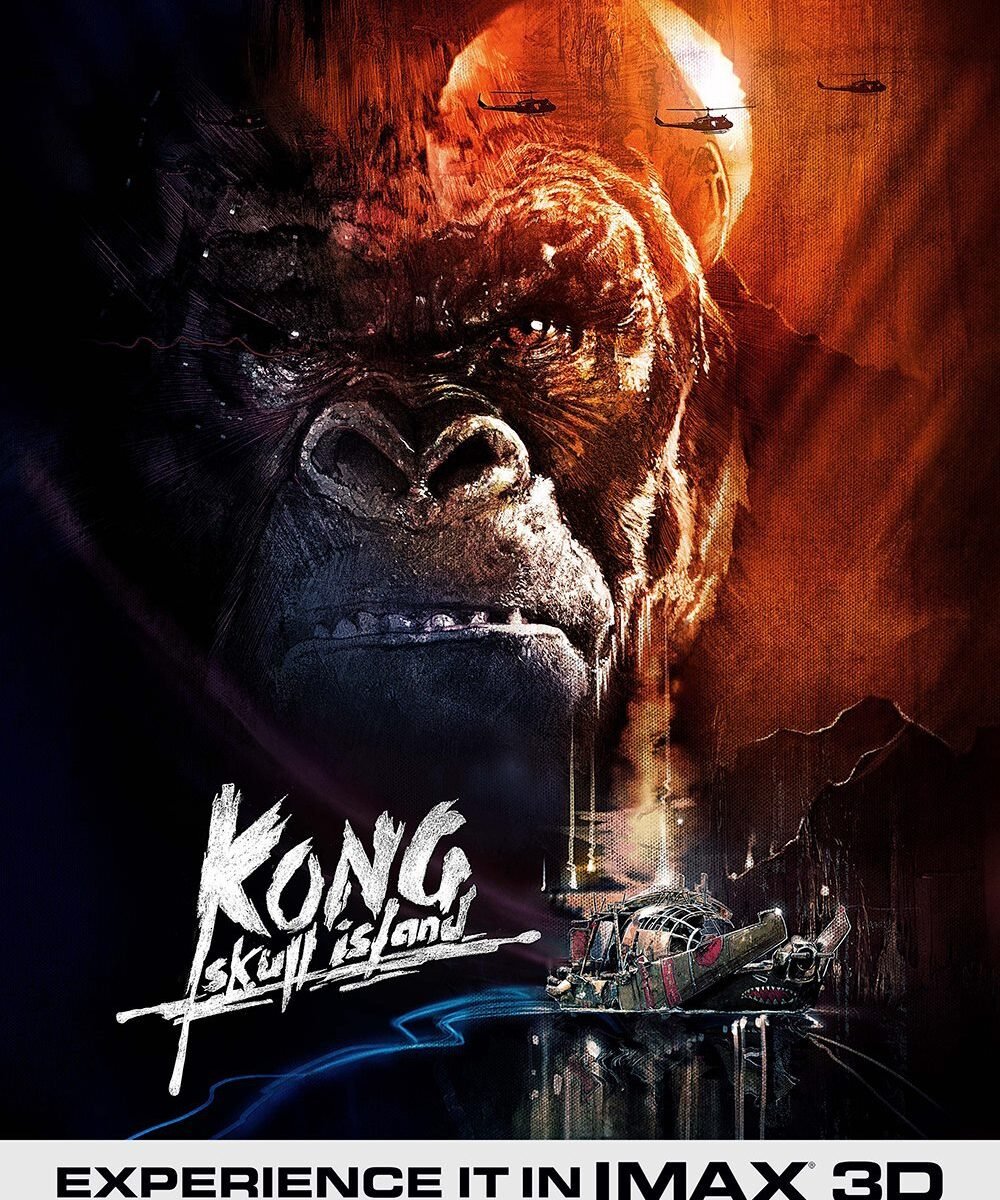
Kong: Skull Island is yet another reimagining of King Kong, this time from the people behind 2014’s Godzilla. In the 70s some soldiers and scientist head to Skull Island to find and destroy the monsters there. They get a lot more monster than they bargained for.
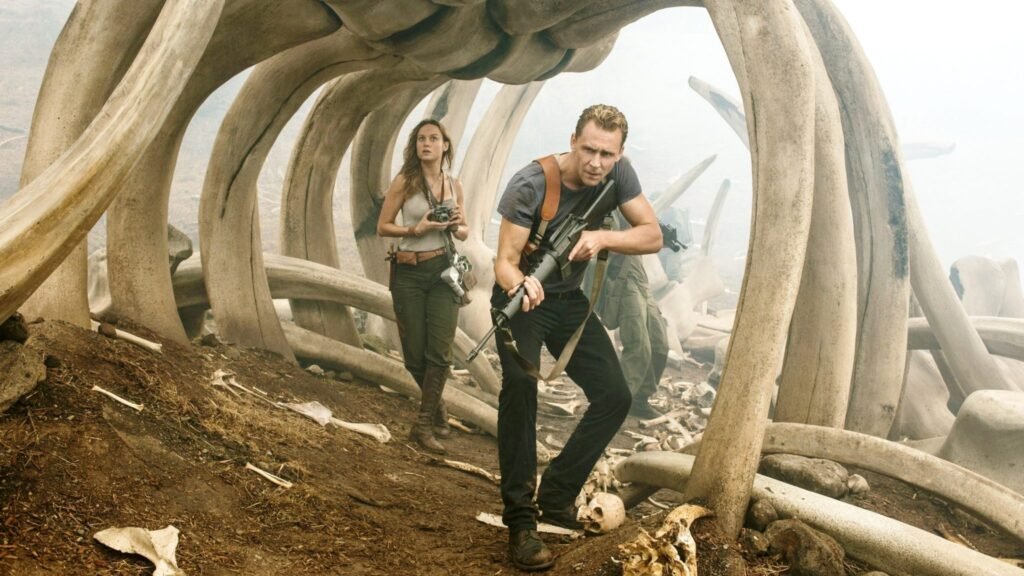
Hiddleston gets to be an SAS guy, Larson gets to be a photographer. Is that fair?

This is an out and out monster film and it knows it. I can tell that the filmmakers were aware of the tiredness people feel when every monster film “does a Jaws” and hides the main attraction since they pretty much show Kong, who is bigger than ever before, from the get go.

The movie doesn’t wait around. We came for badass monster stuff and we get it in spades and it’s great. This has some amazing design and creature work with some awesome action, some even paying tribute to Cannibal Holocaust of all things.

Stylistically I like this film too. While the CGI isn’t the best, the film’s colourful 70s aesthetic is really top-notch containing some very clever little visual moments (e.g a transition from an Interior Day scene to an Exterior Night done though a WHITE BALANCE CHANGE! I’ve never seen that before, kudos!).

What let’s the whole thing down though is one specific thing. Tone.

I don’t know what I’m supposed to feel in this movie. We go between supposedly really tragic death scenes to a moment of badassery to a comedic moment. This isn’t helped by scenes and characters that go nowhere or start in the wrong place in time and space.

Who is the main character in this film? All the billing of the credits points to Tom Hiddleston as a badass ex-SAS guy, but all the drama happens elsewhere. John C. Reilly is this WWII castaway on the island who plays the comic relief guy, the exposition guy and the drama guy. Pick one, buddy!

Like 90% of the flawed movies I review this could be ironed out with some editing.

As is, this is a relatively enjoyable creature flick that I’d gives 3/5 stars to if I did that kind of thing. Which I don’t.

Recommended Scenario: If you want a monster movie that does not waste its time getting to the juicy bits.
Logan

Once again I’m late on writing a review and once again I’m reviewing a comic book movie with a continuity I’m not so familiar with.

Logan is the final movie in which Hugh Jackman will play X-Men’s Wolverine, the famous knife-handed, baddie-killin’ mutant.

After “Les Miserables” and this, it seemsHugh Jackman really likes playing old guys who take care of younger girls.

We live in a world in which the meta-narrative weaves its way through every part of our stories. this is not a new thing, nor is it a bad thing. The problem is when storytellers use either the true outside lives of the actors (The Expendables) or the franchise’s history (Star Wars) and forget the story proper.

With something so big and convoluted as X-Men, what makes the films that work in its canon work, is a remembrance to occasionally step back and let a character be a character.

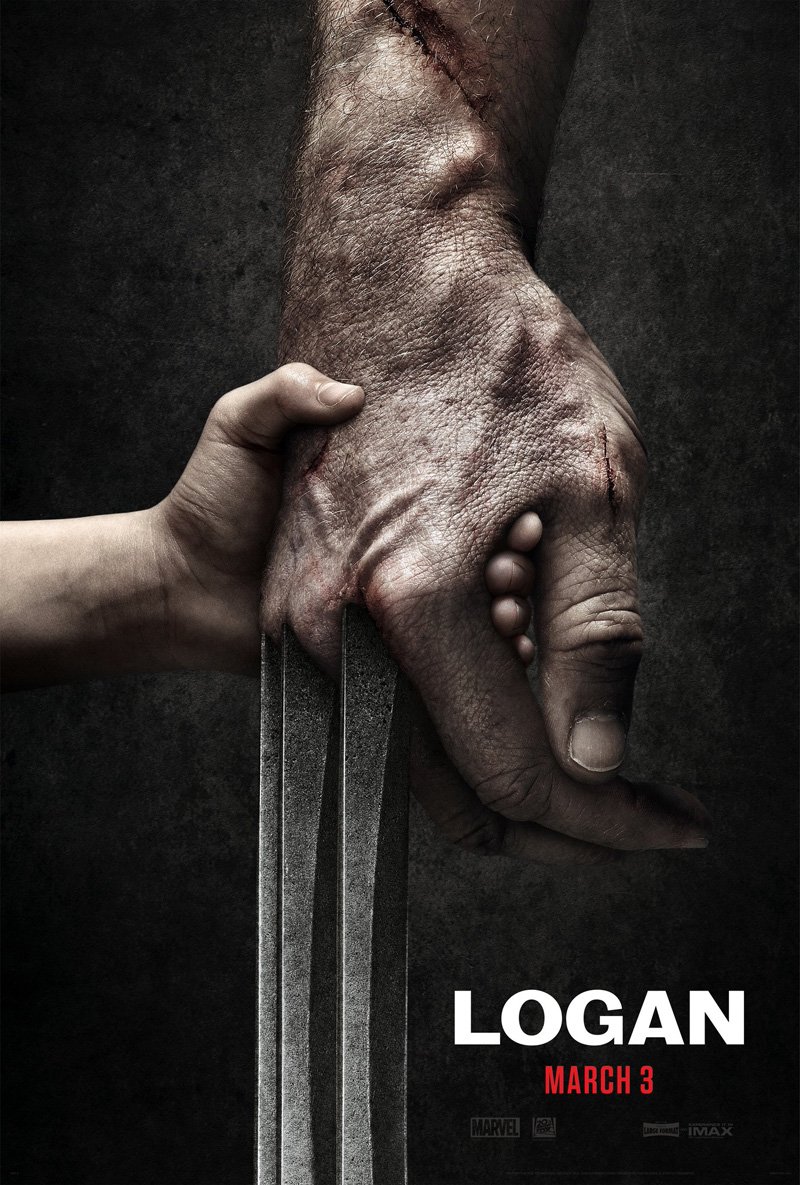
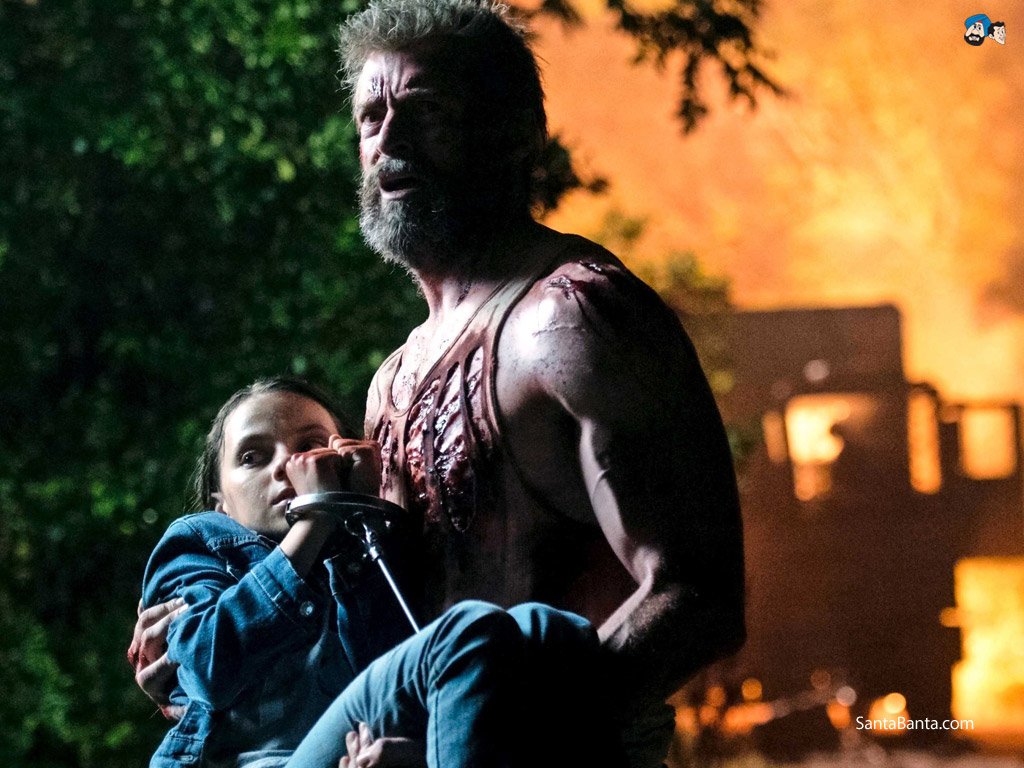
Logan is a dark, brutal, violent, adult drama about the titular immortal super-being looking after Professor Xavier, played amazingly by the legend that is Patrick Stewart, when a young girl who seems awfully similar to him turns up and he has to protect her from really bad dudes and remember the value of life.

Did I mention violent? This film is violent! Do not take squeamish kids to see this! It is shot mostly pretty well, though some scenes could have done with a different way of portraying the fights.

It is also very dark. This is darker, not really in the philosophical sense, but in the content itself, than any comic book movie I’ve seen since A History of Violence.

When things calm down, though, Jackman and Stewart deliver the goods in performances on par with the best of their careers.

Xavier, the telepath, has Alzheimer’s and frequent seizures which through his unique mind are transmitted into the minds of all around him. That is such a clever idea. Stewart always had such grace in his ageless, previous portrayals of this character. Now we see what grace can be taken away by time, even for a guy like him.

The star though is, of course, Jackman. Every part of him aches throughout the film and he really sells it and delivers an ending with incredible pathos.

This is a really good film that really does stand on its own. While some little elements kind of irk me, they are mainly balancing issues for tone and pace and are pretty minor.

Farewell Jackman and Stewart era X-Men. Now for the sad goodbye to McKellen.

Recommended Scenario: If you want a great Superhero Western

P.S Stephen Merchant is in this and he’s amazing!

Lion

I watched this film the day before the Oscars and the craziness therein. This is the first year in which I have seen all the Best Picture nominees before the ceremony. If only I got quicker with my reviews too.

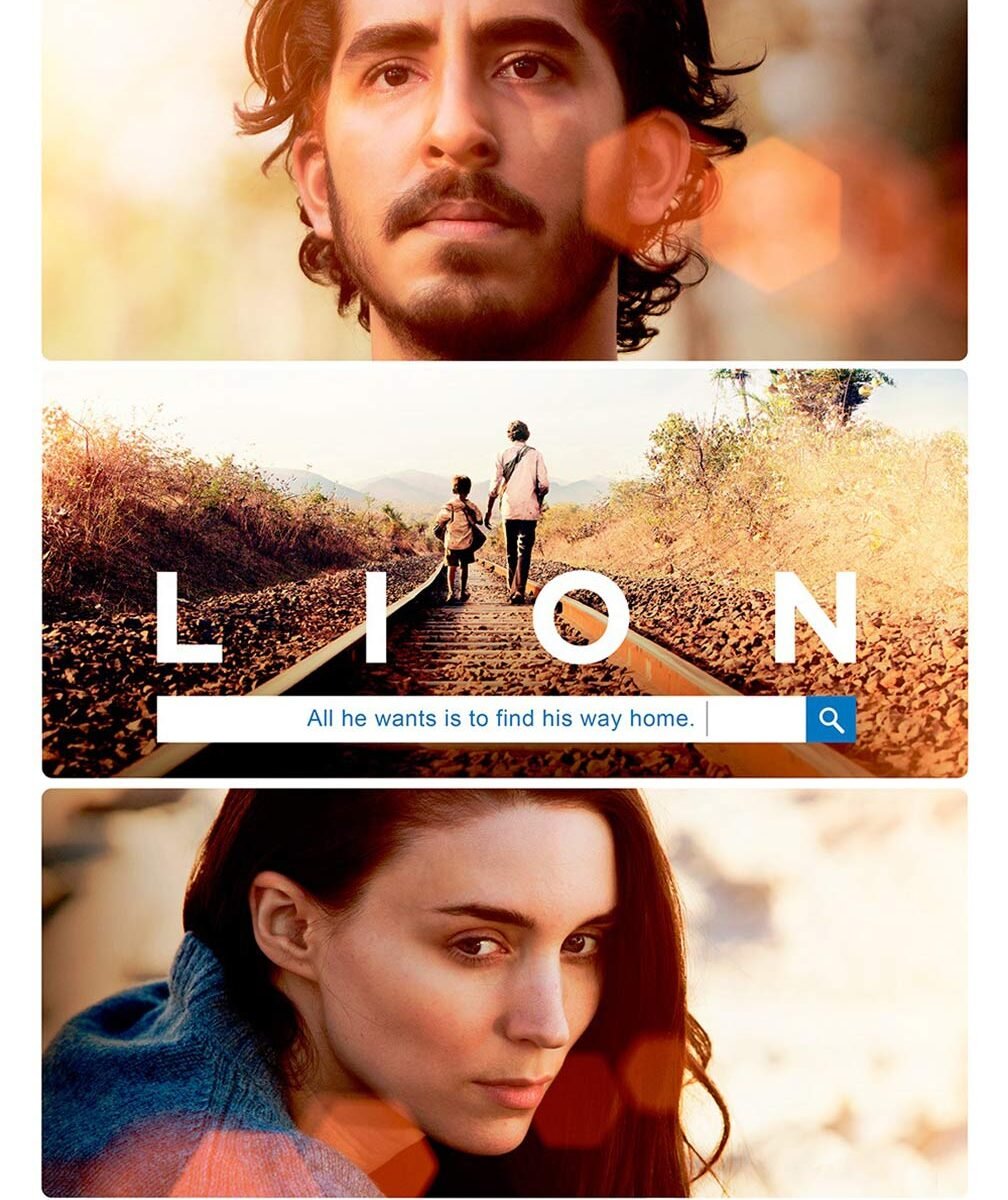
Dev Patel stars in Lion, which is based on the true story of Saroo Brierley, an Indian man who as a child got on a train and was separated from his family.

Sunny Pawar stars in LION Photo: Mark Rogers

Watching the trailer or looking at any piece of marketing for Lion would suggest that “Dev Patel stars in” is an appropriate way to start that brief summary. It looks like the entire thing will be told from his perspective in flashbacks. However, unlike so many films now, it is told in order of events and Dev doesn’t turn up until half-way through. Not even a word in English is spoken for ages.

This provides a greater emotional pull as we remain throughout the entire film as lost as little 5-year-old Saroo, played excellently by young Sunny Pawar. This is an utterly terrifying and emotionally raw nightmare for anyone. To be thrown into the world so helpless is so distant from my safe world that at times I was genuinely clutching the seat in horror.

Saroo was adopted by an Australian couple played with tremendous sweetness by Nicole Kidman and David Wenham (who if you remember was Faramir in The Lord of the Rings, why don’t I see him more?) and grows up into being played by Patel.

This movie is hard to fault. It’s well-written, well-acted, well-directed and well-paced.

My only issue with it lies in its poster. It has Dev Patel and Rooney Mara, who plays Saroo’s girlfriend, most prominently. Mara doesn’t do a bad job or anything in the film, but she’s not the focus. I honestly think this movie would have gotten more attention from people if the distributors were more honest in its marketing and not pretended it’s Slumdog Millionaire 2.

Recommended Scenario: If you want a truly lovely drama about the search for home.

Fences

When Denzel Washington is in a bad movie, he makes it great. When he’s in a great movie, what amazingness indeed are we liable to get?!

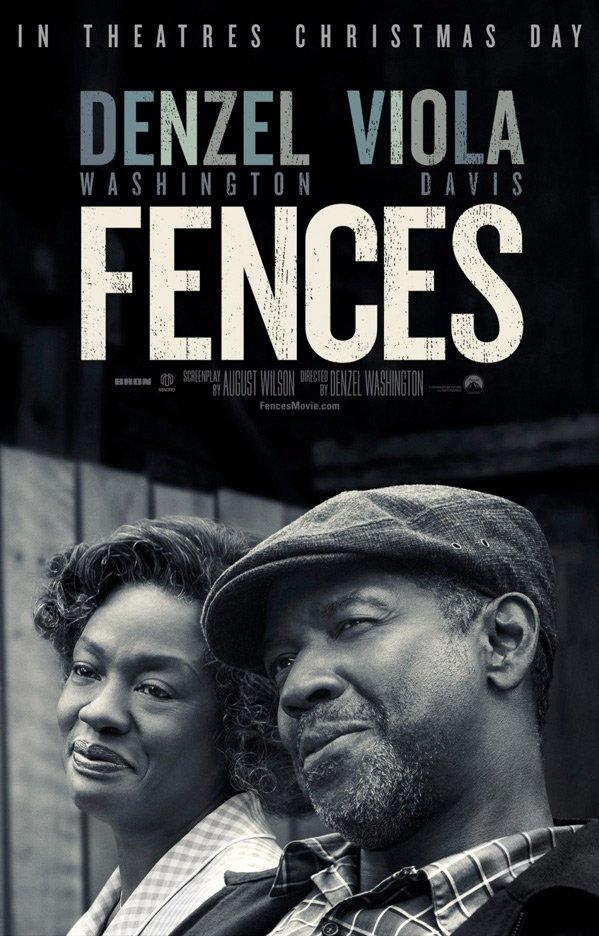
Fences is his third directorial effort. Written by the late August Wilson and based on his play, this film tells the story of a black family in America with a father, played by Washington, who has a secret that could tear them all apart.

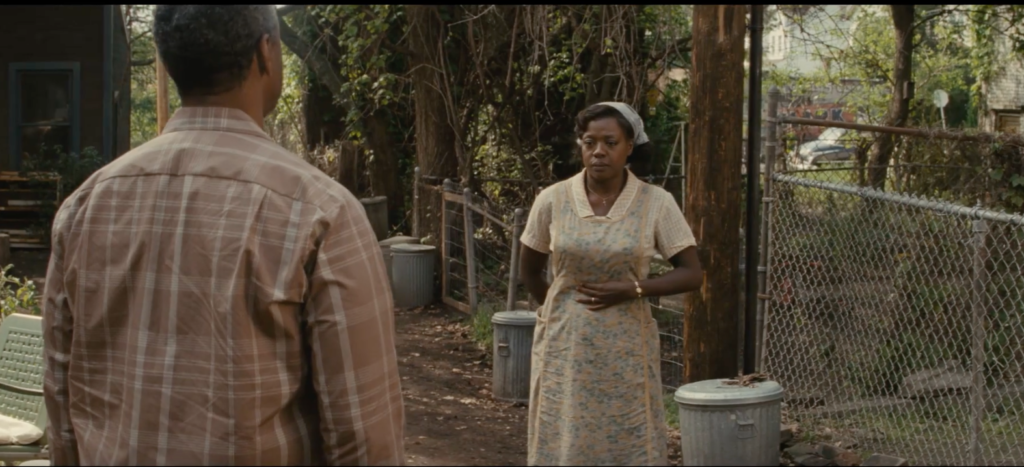
There are some truly heartbreaking scenes in this little garden.

 I am an enormous fan of the work of Arthur Miller and I can tell August Wilson was by the way this story is told. 1950s suburbia, a lot of it in a back garden, this has Miller prints all over it. However, to call it “a black Arthur Miller story” would be enormously insulting an inaccurate.

While it has the traditional Miller protagonist in the form of Troy, a man with secrets and flaws, poking holes into the idea of the American dream and the concept of the good and true father, I think Wilson took this character one step further. As a black man in the 50s, Troy is all too aware of the failings in the American dream. He also has a more complex motivation than most father types in these sort of movies and it is played across a greater period of time, Fences taking place over the course of years rather than a few days like in something like All My Sons.

Translating plays to film is often a case of taking the text and adding a couple of cutaway moments in between scenes. The one piece of unique advice I can give to any hopeful screenwriters is practice in this type of adaptation to get used to what makes a movie cinematic on the page. Because that transfer is a little more complex, not only do you have the odd change of location, but you’re dealing with the motivations for those changes.

What Denzel did along with Wilson and Tony Kushner, who is an uncredited co-writer, was take the power of the words of the play and treat the language of cinema as an extension of them. The camera is dynamic and always changing its style when it has to like a good camera should.

Denzel, of course, is in top form as an actor here, having played Troy on stage before, but what genuinely amazed me was his skill as a director. Not since 12 Angry Men have I seen such a deft understanding of the balance between being a play and a film.

The rest of the cast, including Viola Davis and Stephen Henderson, all provide such brilliantly human performances.

We are deep into Oscar season in Britain. I hope I can see all of them this year before the ceremony, but all I can say right now is that Casey Affleck is really having to run for his money for his Best Actor award. Once again we have a really, really good film.

Reviews of good films are hard!

Recommended Scenario: If you want an excellent handling of words acting and visuals.

The Lego Batman Movie

Please note that I saw this film in a Saturday afternoon screening packed with kids too young to get the jokes and dancing to every song about two feet away from the screen. That may have affected my opinion somewhat.

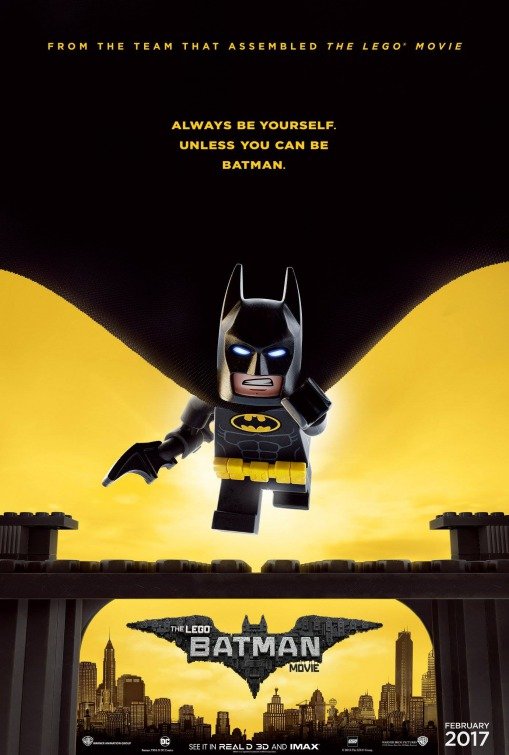
The Lego Batman Movie is a spin-off of the Awesome The Lego Movie from 2014. It follows Batman as he learns to take responsibility for Robin and the humility to work as part of a team.

“I only work in black. And sometimes really, really dark grey.”

The comedy from the two Lego Movies is astonishingly fast. My favourite kind of comedy is when the entire film is taken up by clever silliness. Think of the great spoofs for reference on how this is best done.
This spin-off does that kind of humour. Mostly successful jokes come thick and fast, centred around a brilliant performance from Will Arnett, reprising his role as a miniature, plastic Dark Knight.

His characterisation of Batman is every parody ever made of this ridiculous character. He’s basically the way he is presented in those How It Should Have Ended videos.

That’s the secret of this movie and its predecessor. It’s from the fast internet age using fast internety comedy. We’re not just talking pop-culture references, like in something like Shrek, but a full on spoof of the entire concept of the fictional universe, a particular area of nerdom that is a constant topic of conversation today. Want Sauron to hang out with Voldemort? Here it can happen.

Unfortunately since this film is a little more specific in its subject, a greater chunk of the humour is devoted to more targeted jokes which may reduce this film’s overall appeal. This however is not a big issue.

There are three big issues.

Firstly, the serious stuff in this film is no were near as interesting as in The Lego Movie. That film at heart was a compelling argument for socialism and an excellent critique on the overused Chosen One narrative. It deployed its most touching scenes with deft skill in amongst all the jokes. Lego Batman has kind of a typical comedy story about Batman becoming the adoptive father for Robin. It’s not bad, it’s just that the emotional scenes are just boring and they’re pretty poorly paced.

That brings me neatly to the pacing. In the third act this aspect goes all over the place. Third acts are hard, particularly in comedies, but this one seemed to go on forever!

However, the worst part is that this film just didn’t have me laughing hard enough. This might not be the same story for you, but I watched The Lego Movie again soon after this one and it still has me laughing a lot. Batman had me laughing sometimes because I knew there was a joke, rather than because I found it funny.

This isn’t a bad film, heck it’s one of the better post Nolan flicks the Bat has been in. I liked it. I just didn’t love it.

Recommended Scenario: If you’re in the mood for a version of Batman Forever that succeeds much better in the laugh department.

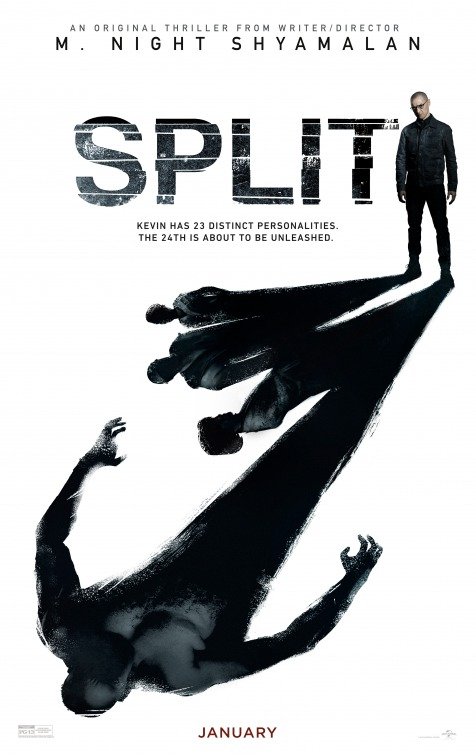
Split

My first M. Night Shyamalan review. Will it be in mockery or adoration?

James McAvoy in Split plays a man who suffers from an extreme case of multiple personality disorder who has kidnapped three girls for sinister purposes.

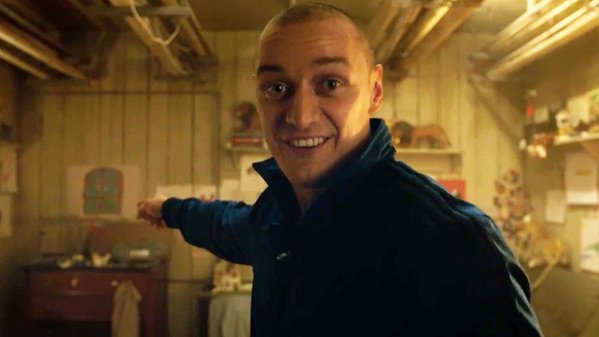
This scene scared me and made me laugh. Honestly there’s some real good stuff in this film

 I’ve avoided most of Shyamalan’s filmography past Signs. My first experience with him was through The Lady in the Water which I thought I might understand when I grew up. I didn’t.

After Unbreakable his movies have swayed between valiant failures and easy internet review money.

Maybe with this weird flick he can stop the laughter.

Our leads are three teenage girls. They do an OK job. The main girl has a stoic attitude which all seems to make sense in the end. Almost.

All three are outshined by McAvoy. Playing about 8 different characters, he does a great job in giving them all a life. Even in the film’s silliest assertions, he manages to make it work through sheer force of will.

I say silly as this premise, like much of Shyamalan’s back catalogue relies on some weird stuff. Kevin, the original personality of McAvoy’s character has 23 alter egos and one of the main conceits is that the physicality of these “people” differ between one another. Yeah, it’s that kind of film.

I kind of like the B movie nature of this and Night’s commitment to treating it all seriously.

I also like some of his typical directing style. The camera feels a little out of whack in the best and worst possible ways.

The script is well paced or the most part and the tension and humour, if not the horror is totally palpable. The let-down is in the dialogue. Shyamalan never quite knows how to get information out in a way that feels natural. There’s no “What?! No!” moment, but there’s a certain tightness that I’m sure a redraft or two could have saved.

I’m happy for ol’ M. Night. He seems like a good guy and I feel he’s always had potential. He’s been on a bit of a journey from gifted youngster to slightly pretentious pariah to pretty decent artist, wiser and little more humble. Like a great rockstar story.

What’s annoying is the fact that McAvoy was not allowed to use his Scottish accent amongst the many he puts on here!

Recommended Scenario: If you want some pretty good cheap thrills.


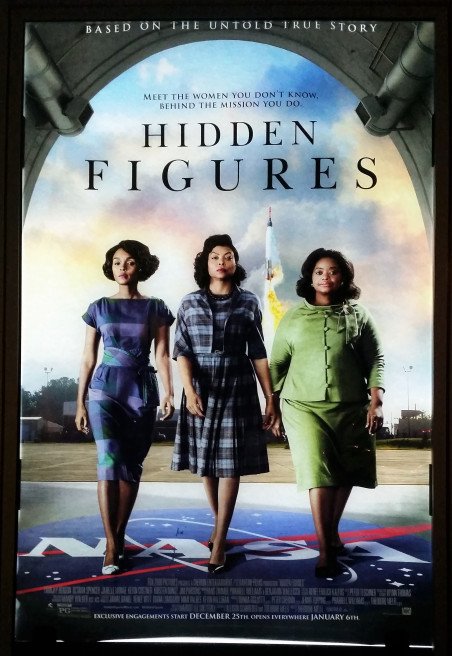
Hidden Figures

This might be my engineer Grandfather’s next favourite movie.

Hidden Figures tells the so-far little-known true story of some of the black female mathematicians who were instrumental in NASA’s space race.

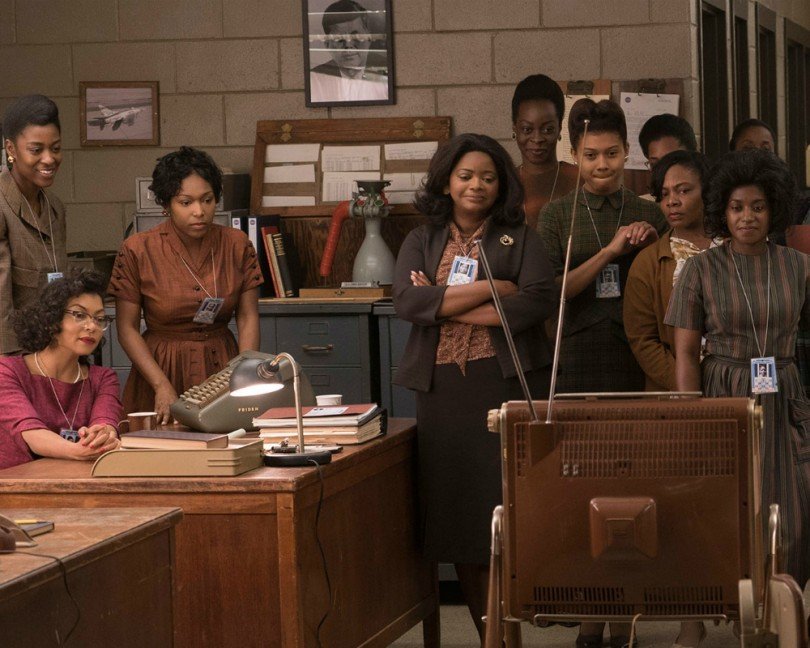
That TV has such a fat back!

 I’m just going to get this out of the way, what you think happens in this movie. His is a super formulaic film. The heroes show that they’re good at maths, but the people at NASA don’t like black people or girls doing well so there’s lots of infighting and some of them get turned around. It’s a tried and tested method and I’ve got no problem with it.

Complaining about formulae is like complaining about physics. It’s there and for all the shortcomings it does the job.

We get one major change from most civil rights style films. That change being the minority members taking an active role in the seeking of the change they need to see in the world. On top of that, all of the white characters, including the otherwise forward-thinking boss played by Kevin Costner all have at least an undertone of prejudice that has to be challenged. I really like that.

The three ladies we follow are played by Taraji P. Henso, Octavia Spencer and Janelle Monae. They are extremely charming throughout and even when we appear to go into cheesy territory, my heart still manages to stay on the right side of warm.

The maths that is presented in Hidden Figures, as complicated as it really was, is not too hard for the audience and while it may be dumbed down, it never feels patronising.

If I had a real issue with this film, it would be that the allusions to the civil rights movement are a little too fleeting. It’s a bit of a nitpick, but I wish that there was a way to integrate them a bit more into the plot.

Overall though, this is a solid, if familiar, piece of exciting black cinema. Wait, it was written and directed by white people? Huh…

Recommended Scenario: If you’re into maths and a little heart.

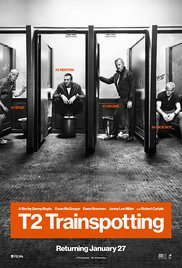
T2: Trainspotting

No need to complain about me being late with this review since these guys were 20 years late with this film!

T2 is Trainspotting 2. Rent Boy, Sick Boy, Spud and Begbie are back two decades after we last saw their mangled lives.

Ewan and Ewen. Two kings of Scotland.

 I’m among the youngest people to review this film at 20 years old myself. I grew up in a post Trainspotting world. The first film, it is the best Scottish work of art of its generation.

My love of the original film is not soley thanks to its roots in my country. I genuinely adore its masterful writing, direction, editing and acting. No other film of its kind offers its kind of adrenalin and other drugs to the base of the spine.

So Danny Boyle had a tough job following that up didn’t he?

The thing is, Trainspotting, despite its classic status, is worth giving a sequel. It’s a story about young men choosing life. But what about when they are no longer young? When things that seemed important before don’t anymore and vice versa, what does the man do? How do the boys juggle their longing for youth with the truth of their age?

Twenty years has done nothing to the ferocious energy of Danny Boyle. Since T1, he has firmly established himself as one of the finest film talents in the UK with 127 Hours being among the most under-appreciated films of the century thus far.

Here he lets loose with great touches of flare and poignancy in a balance which I find actually kind of astounding. Since Trainspotting, visual communication in mainstream films has diversified enormously and T2 takes advantage of all methods it can.

Another act of brilliance is John Hodge’s script. Taking elements from the original film, its source novel, the novel’s sequel Porno and his own imagination, this screenplay dances with these characters. It takes just enough from each while letting it be its own thing.

For example, like the first film, we get a “Choose Life” monologue from Renton, but because he’s an older man, his narcissism has waned a little and we don’t hear much voice-over from him, only in moments where he is recapturing some element of his youth. In the sequel, “Choose Life” is a desperate plea that instead of making you smile had me tearing up.

The original cast has come back. They show their age as they are occasionally intercut with their younger selves, but in the best possible way. They are no longer young and stupid. They are older and embarrassingly stupid. They are still the bad, but beautiful souls we all know from our own lives.

Trainspotting is about time. Time wasted, time reflected upon, time enjoyed, time in pain. A sequel showing a different part of its infinite span makes total sense.

This is one of the great sequels. While it will never be seen as better than its predecessor, like Godfather Part Two, it is genuinely hard to believe that its constructive extensions of the original were not planned long before by some omniscience.

I’m certain there will be a Trainspotting 3. We need a little time to catch our breath from this one.

Recommended Scenario: If you want a film that Chooses Life.

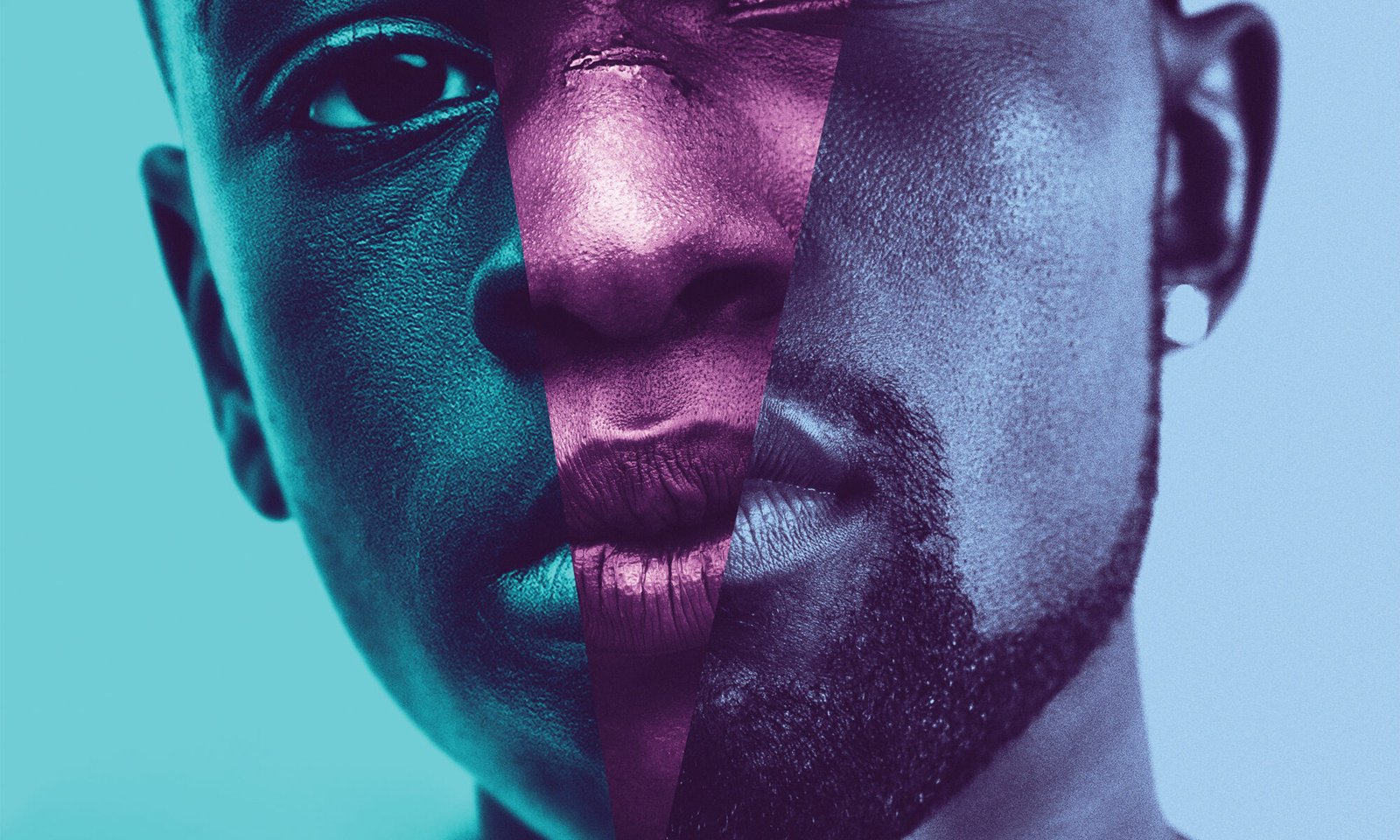
Moonlight

If I were to describe this film, it would either sound like the most boring ever or the best thing ever. Please judge in this review which camp I fall into.

Moonlight is the story of an African American named Chiron. It covers his journey from a poor child to a troubled adolescent to a spiritually lost young man. That’s 20 years in less than 2 hours of screentime.

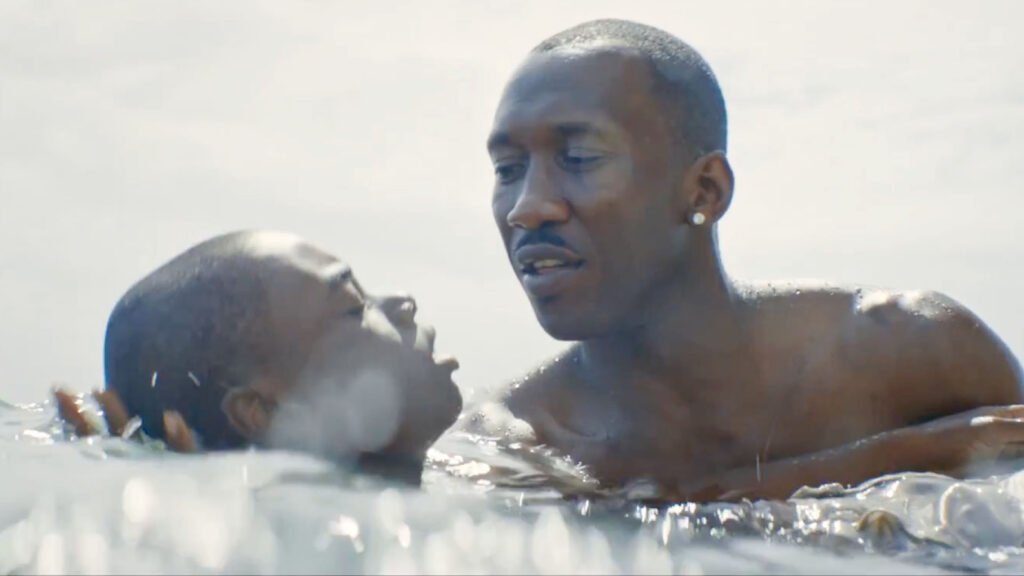
A beautiful almost biblical scene from Moonlight

 The title comes from the semi-autobiographical yet unproduced play by Tarell Alvin McCraney called In Moonlight Black Boys Look Blue. It encapsulates the main theme of this piece so well, that being the connection between someone in a minority, the world and himself.

Not one speaking character in this film is not black. That may not seem so different, but I genuinely cannot think of any films I’ve seen where that’s the case. You become enveloped by a life you feel so distant from when outside the theatre. A movie should do that. It should rip you outside your world.

Writer-Director Barry Jenkins, in his second film, delivers something quite special. While maintaining some of the semi-documentary stylings of American Honey, he balances it with a discipline of an extremely cinematic level. In every scene, it feels like he wants you to experience something a little new.

As we follow Chiron we see not the most exciting moments from his life, but his moments of real change. We never see the actions we only see effects and causes and there lies the maturity.

I respect and admire Boyhood by Richard Linklater. Unfortunately, I don’t love it. I don’t get that deep, deep attachment I do with Chiron. Jenks challenges us with this quiet character.

Boyhood’s big filmmaking hook was the fact it had its cast for 12 years, which is impressive and it made a good movie, but Moonlight’s use of 3 different excellent lead actors is impressive in another way.

This film’s acting, writing and directing are all up for big awards and I think it truly deserves them.

I don’t even want to keep talking about this. This might be the best I’ve seen this year.

Recommended Scenario: If you want some meditative reflection on identity and connection.

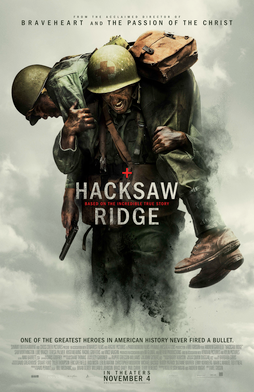
Hacksaw Ridge

About a decade after his last directorial effort, Mel Gibson returns with a sweet, nostalgic, Christian, blood-spattered war-film. Oh, how some never fail to surprise.

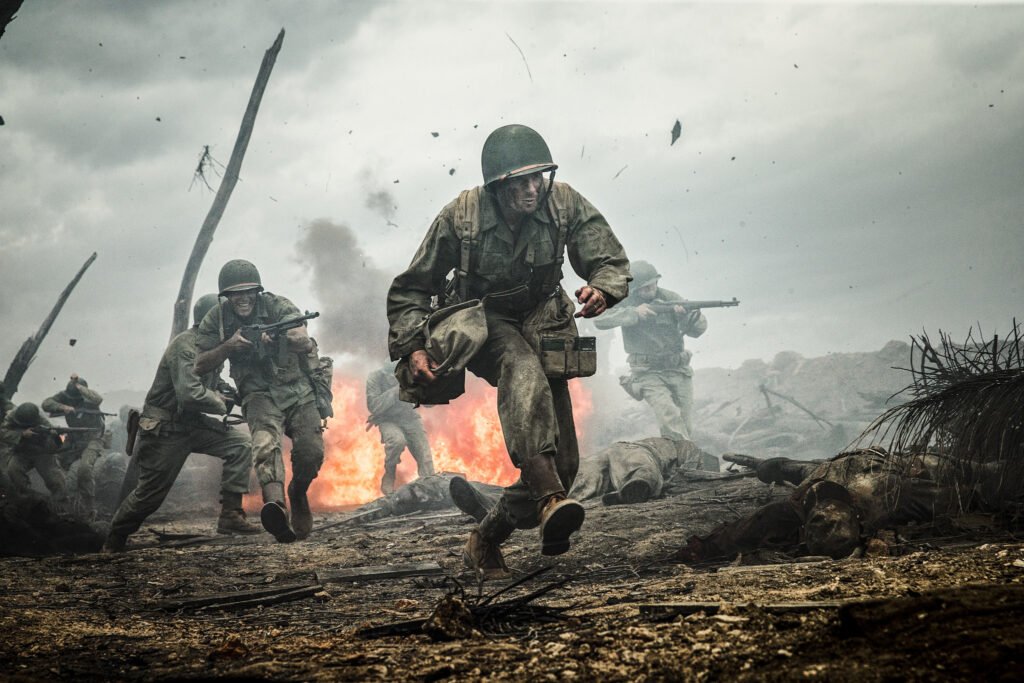
Hacksaw Ridge is a WWII film telling the simply unbelievable true story of Private Desmond Doss, played here by Andrew Garfield. Doss went into battle as a medic in Pacific War without a gun, becoming a genuine Pacifist War Hero.

Andrew Garfield as Pvt Desmond Doss in Hacksaw Ridge

 I must mention the coincidence level of there being two major films this month that carry an explicitly Christian theme, starring Andrew Garfield and set in Japan in a time of crisis. That’s pretty fishy if you ask me.

Garfield is good here as are the rest of the cast, including Sam “I Register No Presence In Most Movies” Worthington. Andrew gives us a performance filled with such Southern Yank cheese and sweetness, you’d be forgiven for expecting him to say that his name was Gump. He does a good job with the material, but this is some corny stuff.

The first half is filled with that kind of sentiment. I don’t think it’s a negative, though. Sentiment in this form is all about evoking the contrast for the super hard-hitting second half and the kind of nostalgia that the boys under-fire will be feeling.

In this opening segment, we get all sorts of clues that are as heavy-handed as an axe-murderer as to why our lead hates violence, involving his faith, his drunk father (played remarkably well by Hugo Weaving), his Nurse Girlfriend (who also introduces him to the idea of being a doctor) and his brother.

One thing you don’t get though is why he wants to join the army. We do get a couple of visual clues and some brief dialogue, but nothing as forceful as his call for non-violence. This leads to slight imbalance.

The clichés in this film, ranging from the surprisingly historically accurate cutesy portrayal of Doss to the Full Metal Jacket style training segment all seem to serve two goals. These being establishing the sainthood of our hero and get us suckered in before the truly crazy second half.

That second half consists of a US Army offensive on Hacksaw Ridge on Okinawa. This was a key battle in the island hopping race to Japan.

It is portrayed as one of the bloodiest scenes I’ve ever seen in a war film. It’s credit to Gibson that despite this and some of the genuinely sickening displays of gore that it never feels confused or immoral. Praise one can find difficult to award some of his previous work.

One can argue that the portrayal of the Japanese is a bit negative. That is unsuccessfully argue as this is the portrayal of the enemy and it is accurate in its brutality.

I can’t say this is a great film. Its sentimentality acts as a block to this status. Don’t get me wrong, it’s not bad sentimentality, but it doesn’t feel all that new or clever.

The saving graces of this film are Garfield’s portrayal of a great man and the extraordinary battle.

Good job Mel. Welcome back! Just give any awards Andrew gets to his portrayal in Silence.

Recommended Scenario: If you want a contemporary war film far better than American Sniper.