
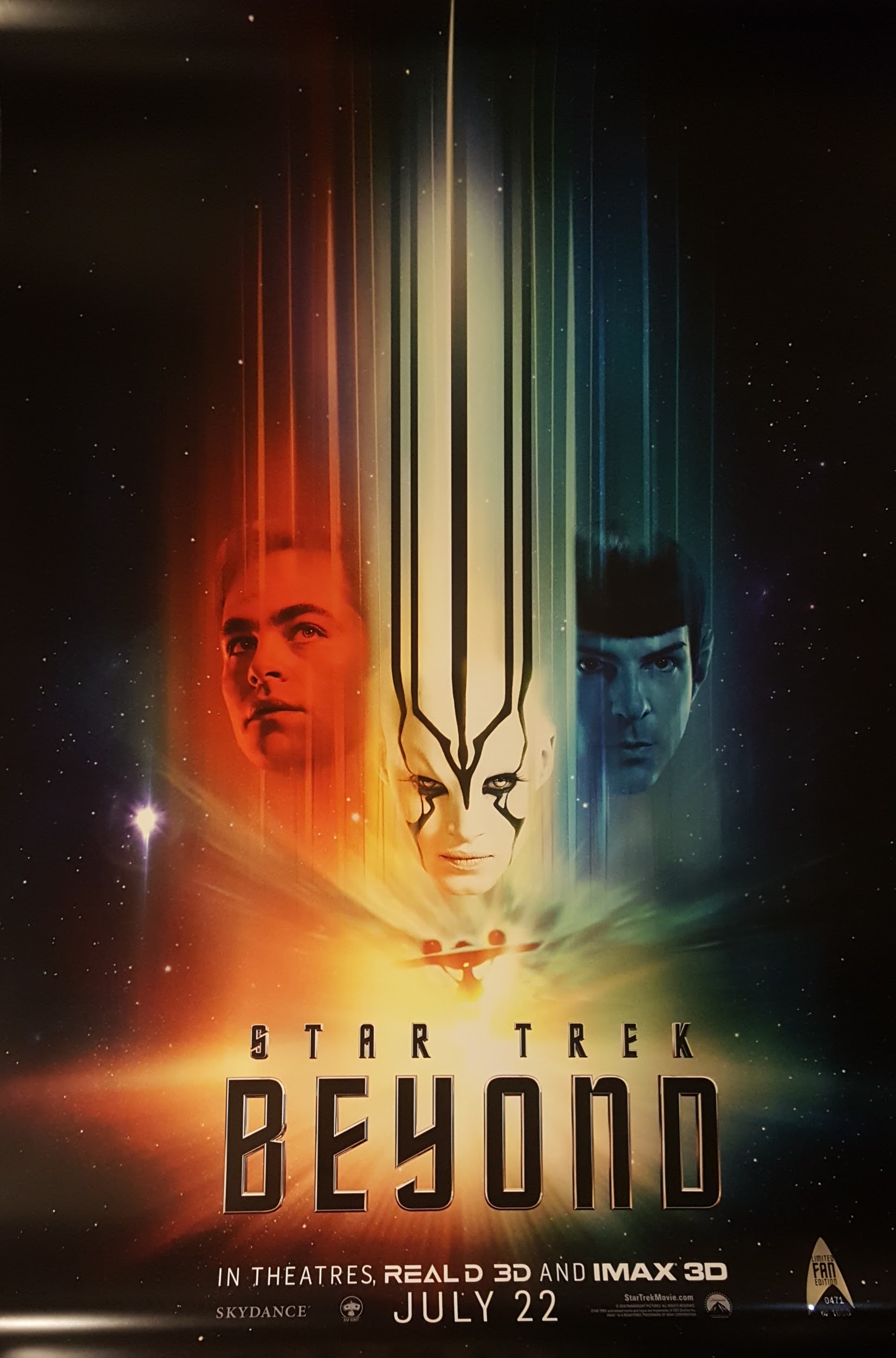
Star Trek Beyond

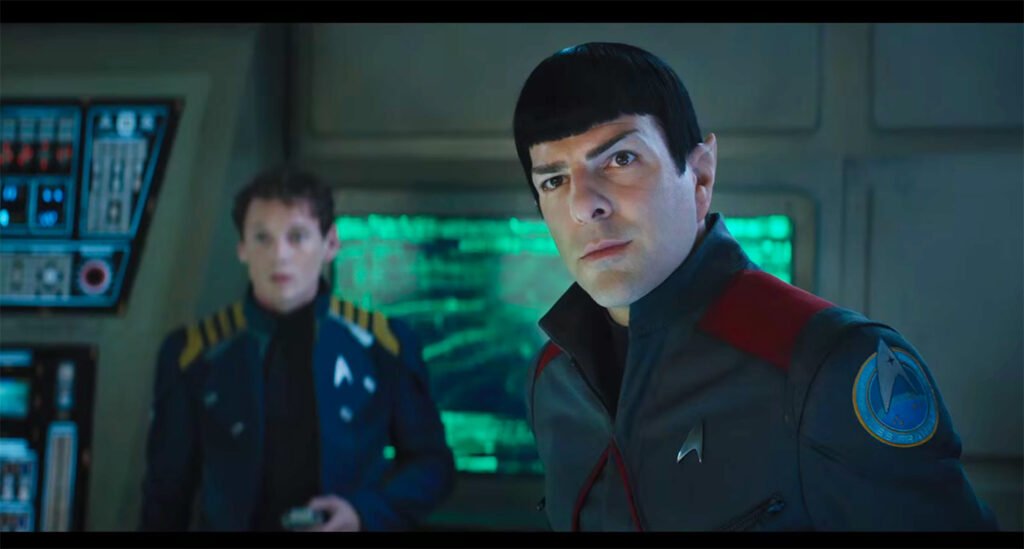
(Right to Left) Zachary Quinto and the late Anton Yelchin

Let me just say before beginning this review that my condolences are to the friends, colleagues and family of Anton Yelchin who died at the age of 27 on the 19th of June this year. He played Chekov in the three most recent Star Trek movies (2009, 2013 and this one) and with great ability. His performance in this movie was similarly excellent.

Star Trek Beyond is the third movie in the Star Trek “Reboot Series” began in 2009 when a parallel timeline made it possible for young actors to play the iconic roles of the series. In Beyond we meet Kirk (played again by Chris Pine), Spock (played again by Zachary Quinto) and the crew of the USS Enterprise three years into their journey “to boldly go” when they are suddenly attacked and left stranded on a strange planet, led by a mysterious alien being.

2016 marks the 50th anniversary of Star Trek. Understandably, the producers of this film handed the writing pen for such a momentous moment in the series’ history to a big sci-fi nerd and brilliant writer. That man is Simon Pegg who along with co-writing this script with Doug Jung has played Scotty for the past two films.

Pegg and Jung’s writing is tight and rather good. We get a tremendous understanding of every character. And I mean every character. I don’t know how they did it, but all members of the main cast get their moments to shine either in comedic or dramatic scenes.

What is surprising though is that the film is altogether not quite as funny as I would have thought, coming from one half of the Cornetto Trilogy writing team. I feel that there were certain points in the runtime where you could have had a one-liner or something.

The argument against this might be that we are currently in a filmmaking landscape where we are now remembering how to make fun summer movies which don’t take themselves too seriously. The Marvel Movies, the most recent Star Wars movie, we are now getting ourselves out of the funk of dark and broody that we fell in after The Dark Knight was so brilliant and filmmakers copied all the wrong things from it. You could say that Star Trek Beyond is being careful not to go too far in the opposite direction.

Careful is probably the operative word as this story does feel kind of careful in many ways. It’s a stand-alone film. This is not the concluding chapter or the start of a new series of adventures, it’s just an adventure. One that explores the characters and their purpose in the overarching narrative of Star Trek, but one that can be seen if you have never seen any of the other films or TV shows.

The director of this film is not J.J Abrams, who was of course busy in another Star franchise. Justin Lin is our auteur for the evening. I’m not familiar with this man’s other work, but I’ve pieced together some pros and cons of his style.

Pro, no more lens flares which were cool in small doses, but the visual equivalent of nails on a chalkboard in some of J.J’s films.
Con, not quite the same dynamic style that J.J has built up in his relatively brief film directing career.
Pro, he’s good at big set pieces when there’s lots of light around and he can handle drama.
Con, when he shoots certain scenes particularly dark ones, they are often dark and shaky making me genuinely lost at certain points.

I understand that the cons are not all on Lin, but they are things that I found distracting when watching this film.

There’s no real big change that comes about to the whole mythos of Trek as the film goes on. The characters do go through various arcs, but we know from the outset that they will end up in the same place as they always were.

This is not a flaw in the film by any means. It is simply a tribute to the T.V style of storytelling where “everything goes back to the way it was”. Like in the best of T.V episodes, we actually understand why the characters would like to change and why they decide to stay the way they are.

We also get an understanding of what Star Trek is truly about. It’s about hope. It’s about the bridging of different peoples through science and enlightenment. For all the sci-fi out there that talks about man destroying itself, Trek is an optimist. Because the frontier is never truly final. You can always go Beyond.

Recommended Scenario: If you want to go on a pretty fun adventure with some fun characters in a cool universe.
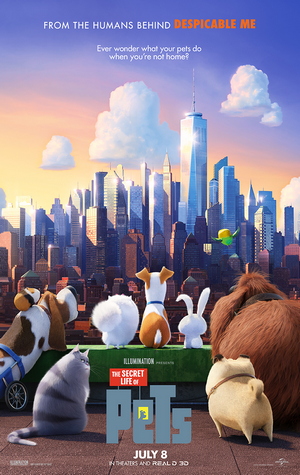
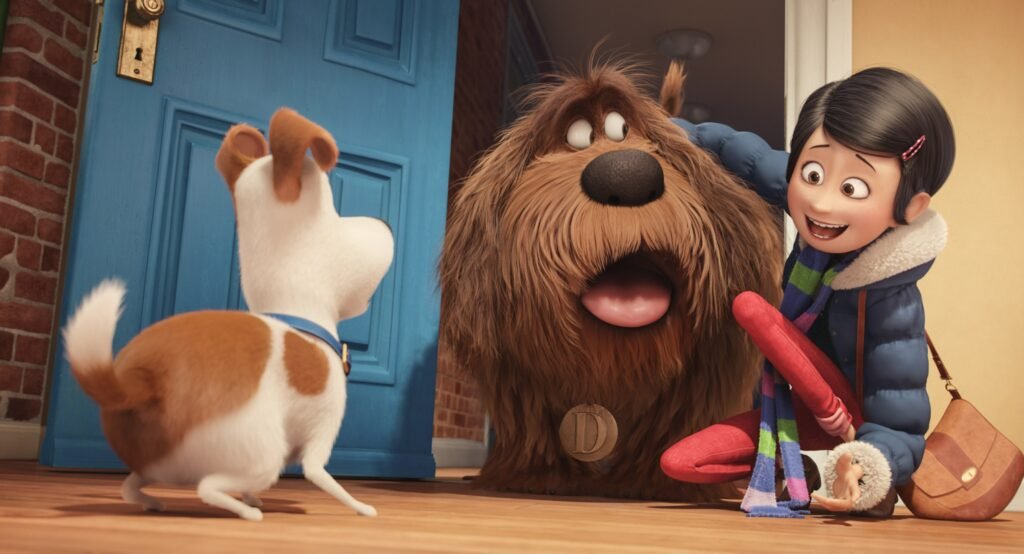
The Secret Life of Pets

I feel deeply betrayed. I went to this movie in perfectly good faith. I trusted Illumination Entertainment. I thought that surely, they wouldn’t sink so low. But they did. This film begins with a short film from The Minions.

Illumination Entertainment have a genuine bubble of a problem that will eventually burst. Their main source of income is little cylindrical banana loving morons which speak gibberish. Even when those in their company attempt to branch out and make a film which DOESN’T contain those precious little yellow gits, their hands are forced into adding a short film containing them. Because screw trying to hold your audience with new ideas. Here’s something you know! Please buy our stuff!

What if every studio did this? What if Disney had Mickey Mouse appear in every movie they ever made? Because that’s pretty much what it is. Granted, Mickey would be even more annoying, but at least he doesn’t scream his company’s logo and then giggle for no reason. (Seriously, once the little film ends and the studio logos appear, a Minion appears and says “Illumination! Illumination! ILLUMINATION!!!”) This is not your movie!

OK, where was I? Oh yeah, The Secret Life of Pets.

I’m only going to say this once and only in this caption. That is not a dog, that is a Wookie.

The Secret Life of Pets is an animated film about pets and what they do after the owners go away. The main story follows Max, a little dog, as he adjusts to a big dog whom his owner has just adopted.

That first sentence in the previous paragraph would have made a logline for a really interesting movie. One that has been kind of done at least on TV and in our minds a few times, but one that has the opportunity for great comedy. What if we could peek behind the curtain and see what our pets do behind our backs? It’s a great idea and in a way does not even need a tying plot. We could have something like a series of vignettes into the lives of these creatures, borrowing from Pulp Fiction or 22 Short Stories of Springfield (one of the best TV comedy episodes ever made).

However, we have that pesky second sentence adding something as boring and conventional as plot to our fun little premise. Ah well. At least its harmless.

The story is pretty generic. A new guy moves into the place where a guy is already very happy and they have to learn to get along through a series of adventures and misadventures. It’s a tale so often told that Garfield did it. On top of that, The Simpsons did it in that episode looking back on the early days of Lisa’s life where Bart has to get used to her, another classic.

The best part of this movie are the jokes they pull out of these animals actually acting like animals. That stuff is a 1000 times more interesting than when they act more human for more dialogue based humour. Which is why this film just would have been better if they had gone with my idea. Hate to take credit, but it’s true.

There isn’t too much wrong with this movie apart from its general blandness and pop soundtrack which is needed to keep every kid’s attention. It’s funny at times and that comes in part from the voice cast which includes Louis C.K and Kevin Hart (the latter I have been too unkind to in the past).

I didn’t love this film, but it’s fine. If you can stomach Minions at the start.

Recommended Scenario: If you want a version of Toy Story with pets instead of toys.

The Nice Guys

A question for the cinephiles out there. At what point does a comedic homage to a genre become a spoof? Airplane is unanimously considered a spoof of the aeroplane related disaster films of the 1970s. Kiss Kiss Bang Bang is generally seen as a comedic homage to the film noir. So what about this film?

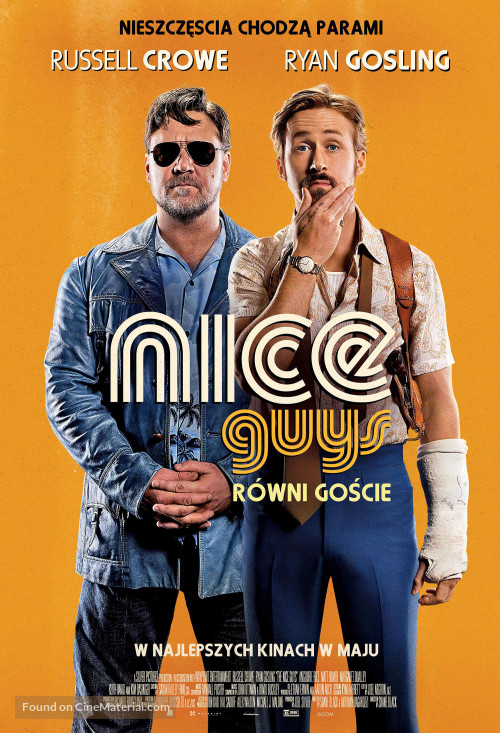
The Nice Guys is a comedy directed and co-written by Shane Black of Kiss Kiss Bang Bang fame. It stars Russell Crowe and Ryan Gosling as two private investigators in 1977 Los Angeles. They are forced to work together to investigate a mystery involving car companies, porn stars, murder and seventies style.

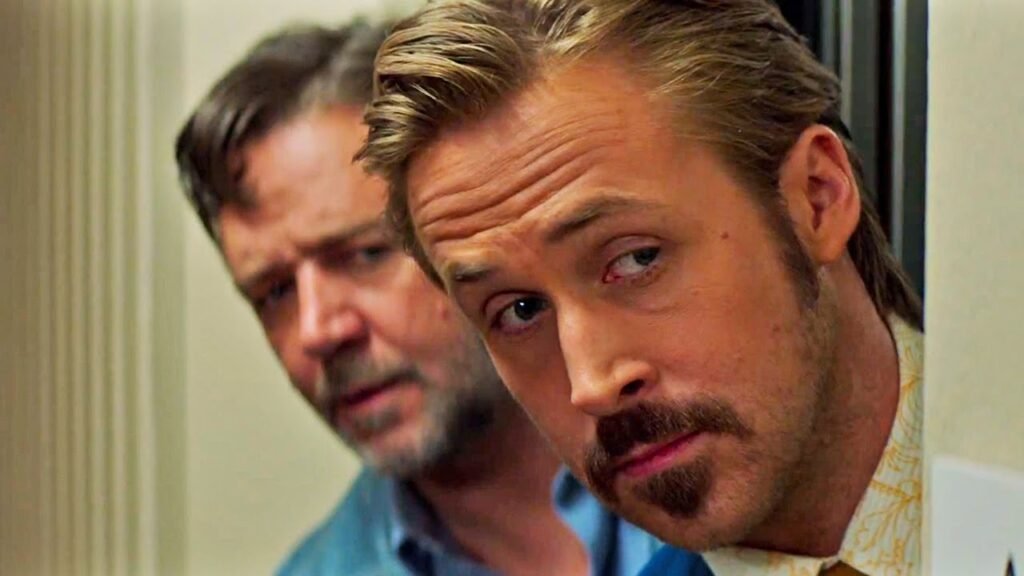
Gosling discovers facial hair on another man better than his.

Right off the bat, this movie is already winning. Shane Black is an excellent writer of dialogue and caster of double-acts. Crowe and Gosling should be in their own T.V show, their chemistry is so palpably good and the writing easily supports them.

Another strong presence in this film is Gosling’s character’s daughter, Holly (played by Angourie Rice). She is a badass who not only is the smartest of the three (a common trope in this kind of film) but also contributes greatly to the comedy.

I’d actually go so far as to say that this film is altogether better than Kiss Kiss Bang Bang. Both films are very similar, both being set in L.A, containing very obvious noir traits and a good double act. I do like KKBB and it’s definitely the more original film in terms of its execution, which I give it props for. However, it does feel a little full of itself at times and only provides a strong character arc for Robert Downey Jr’s character. This film, though, has both parts of our central duo transform over the film and overall I found it funnier.

The whole plot revolves around some pointed satire of American business culture in the late 70s. It actually goes further than most films which do so. Those films just say “those in power and with lots of money are bad”. This film also mocks them for the fact that their own greed leads and will end up leading to their own downfall. Gosling already showed us this in The Big Short. This is not really anything to do with the overall quality of the film, just a nice part I’m glad they gave thought to.

I can’t actually think of much not to recommend in this film. It’s funny, cool and huge fun.

‘Nuff said.

Recommended Scenario: If you like a good laugh and 70s stuff.

When Marnie Was There

If you are a frequenter of the internet, you will have heard of a Japanese Animation Studio with almost unanimous critical praise, more popular amongst those familiar with them than even Disney and Pixar. Their films include films which are often sited as some of the greatest movies ever made. Princess Mononoke, Spirited Away, The Grave of the Fireflies are among their most praised works. Their name is Studio Ghibli. This might be their final film.

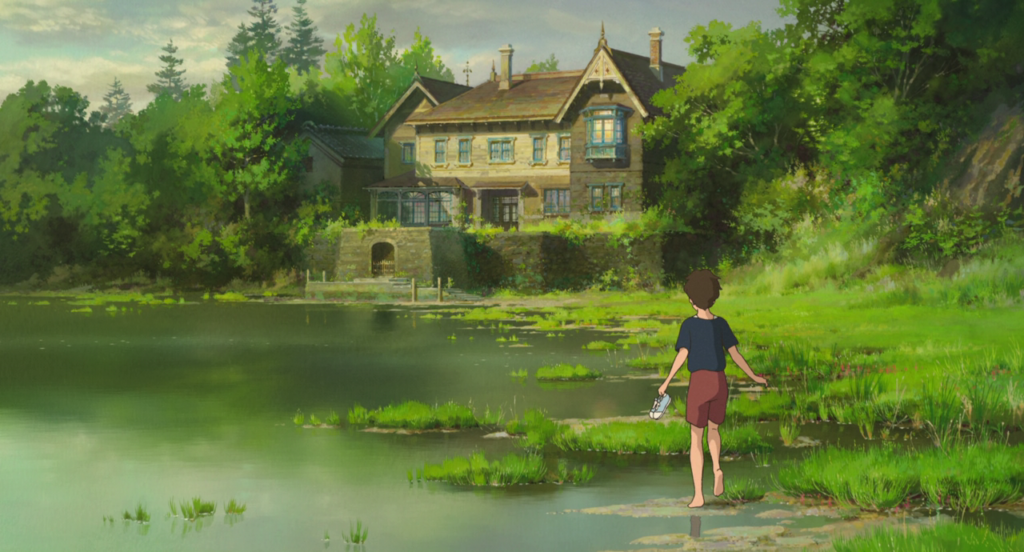
When Marnie Was There, written and directed Hiromasa Yonebayashi and based on the novel by Joan G. Robinson tells the story of Anna Sasaki, an orphan teenage girl who is suffering from repeated asthma attacks. To help her deal with this, her guardian sends her to the countryside to live with her aunt and uncle. There she finds a mysterious looking marsh-house and a blond girl called Marnie.

God I’ll miss Ghibli.

It is interesting to see a Japanese adaptation of a Western source material since, with the exception of Kurosawa’s Shakespeare adaptations, the trend often goes the other way. The result in this film is a kind of film I don’t think I’ve seen from Ghibli before.

The whole feel of this movie is decidedly more contemporary than other Ghibli films. Not only is there little in the way of the magical creatures and daemons we are used to in their more “Japanese” films, this feels like it comes from a western angle in its style of storytelling. This is a young adult film. This is a coming of age story.

With that comes the tropes that we’re used to in young adult films. A loner kid finds a weird kid and they find they have lots in common and they have to help one another and while doing so they find out who they both are.

I have never seen this particular style of story portrayed with quite as much beauty, not only in its presentation but in its story’s execution. I connected with and dare I say loved Anna and Marnie (played by Hailee Steinfeld and Kiernan Shipka in the English dub I saw) in a profound way.

Does the film have clichés? Yes. The asthma, the free-spirited teens, the possible ties to learning about one’s sexuality. I could complain about these, but I won’t because these are as old as the very genre itself. A cliché is not necessarily an evil if it is executed as well as this film is.

This is a film which made me laugh and cry and at the end feel even more passionately in love with Ghibli. I desperately hope that this amazing group of creatives don’t leave us, but if they do this is a terrific, small movie to leave as a parting gift.

Recommended Scenario: Please watch this. It’s just lovely.

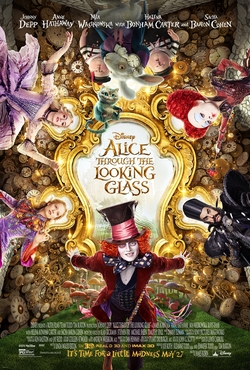
Alice Through the Looking Glass

Six years after Tim Burton brought us the remake/sequel to Alice in Wonderland (I’m still confused as to which it was) and added a billion and a bit dollars in gross for Disney, the inevitable and apparently eagerly anticipated sequel to that is now upon us.

Alice Through the Looking Glass follows Alice some time after the events of the previous film, having in the meantime explored some of the wonders of our world and grown somewhat. She is forced by circumstance to come back to wonderland (or “Underland” as the movie insists it is called) to save the Mad Hatter from a mysterious affliction.

Events transpire meaning that in order to save the Mad fellow, Alice must use a device called the chromosphere to travel back in time.

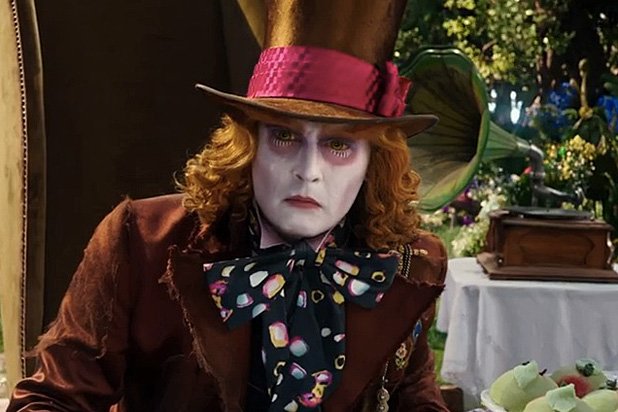
Johnny, I love you, but please stop doing EVERYTHING Tim asks you to do.

I love time-travel in movies & TV, myself being quite the Whovian. The way it is used here is pretty typical of some sci-fi temporal shifting movies. In order to save the day, the past must be altered, while the universe protests to it.

This is a solid and well-tried plot for any film of this type and I don’t hold anything against the screenwriters for using it to fill this adaptation of relatively plotless source material. It does enough clever things, like having Time be personified in his own little world as a German-sounding man played by Sacha Baron-Cohen. There are some plot-holes as you would expect from this, but it is kind of fun to see how all the characters from Lewis Carroll’s stories came to be the way they are.

It rarely feels forced or out of place in the strange world in which it is all set. This is an improvement on the previous film which was forced into a Harry Potter/Narnia “chosen one” narrative which culminated in one of the flattest and most boring climaxes I have ever seen in a big movie.

Another difference to the “original” 2010 film of note is the aesthetic. Burton only produced this film so some of the gothic edge has gone in favour of brighter colours and less gruesome violence. While I am very fond of visual originality (even if it’s the same originality we’ve seen from Tim for around 30 years), especially in a family film, it has to be backed up by us caring for the characters which, as I shall explain, did not happen in 2010. In this regard Looking Glass gets another point.

The biggest change in this movie is in the characters. Helena Bonham Carter and the brilliant Paul Whitehouse where always great as the Red Queen and the March Hare, respectively. All the other players in this story who had opportunity to do so in the original irritated me no end. Especially Alice.

The whole moody, independent teen shtick she had which ran through the whole of the 2010 film along with that nonsense about her thinking that “Underland” is a dream the whole time in a sort of backwards Wizard of Oz making her disconnected and dull is gone, thank God. In its place is a relatively normal, but kind person who I actually liked and gave a damn about. I was invested here in whether she succeeded or failed. Even if her goal is to save Johnny Depp’s Hatter who acts like all the worst parts of his Willy Wonka performance. Stick to apologising to other governments Mr Depp.

People seem split between these two recent Wonder/Underland movies. Both have flaws and take themselves way too seriously, but this film, to me is a far superior experience.

Unfortunately, this film may prove less memorable in its modest yet admirable successes than its predecessor in its abject failures. Shame.

Recommended Scenario: If you want a solid time-travel movie. Just watch the original Disney Cartoon first, the 2010 version is rubbish.

P.S Dear Filmmakers,

Make sure the song you have over the end of your film fits the movie. This one had some poppy crap about time which otherwise had no place here. Just because the movie is over and the credits are rolling does not mean that this rule should not be followed:

“All elements of a movie, including music, must match said movie either through harmony or an acceptable form of discordance.”

Thank you.

P.P.S It is nice to hear the late Alan Rickman’s voice as Absolem the Caterpillar/Butterfly. His voice was timeless and excellent we as cinephiles shall continue to miss him.

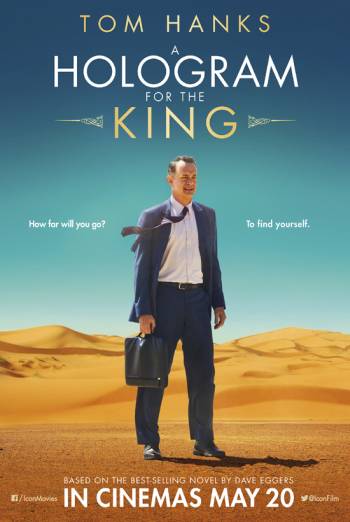
A Hologram for the King

To prepare himself for the crime against cinema that is the possibility of another Dan Brown adaptation, Tom Hanks has gone to find himself in an indie dramedy in Saudi Arabia.

Hanks plays a salesman called Alan Clay who is tasked with selling holographic projector technology to a Saudi king. All the while he is trying to deal with the fact that past decisions he has made have hurt him and those he cares about.

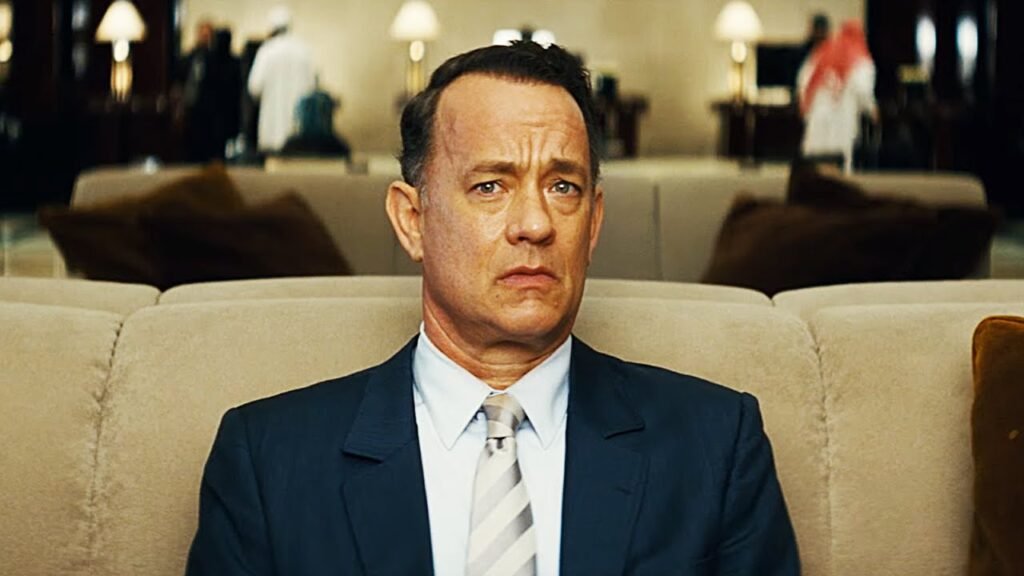
Before Martin Freeman, Tom Hanks was the King of the “Are you kidding me?!” look.

The best way to describe this movie would be that it is Lost in Translation, but it exclusively focuses on Bill Murray’s character and he has considerably more practical reasons to moan.

While Murray’s excellent performance in that masterpiece certainly dealt some severe existential issues that he faced, he had it pretty easy in the moment in Japan. Hanks in Saudi Arabia has to deal with the heat, unhelpful hosts, a divorce and most importantly (to the mind of a 1990’s baby like myself) intermittently active Wi-Fi.

Through the course of the film, Clay has to deal with the problems he finds there while also dealing with the ones he brings with him.

There is one thing I would like to say out the gate about this film, Tom Hanks is still one of the very best Hollywood actors around. Here he puts forward a side which, like George Clooney’s performance in Money Monster, we don’t often associate with him. Here he is a sceptic who must put on a face of smiley go-lucky charm we like to associate with the actor to perform his job. There is a spectacular transformation shot of him putting on said face as he meets his co-workers in Saudi for the first time. It is a very good performance.

Tom Tykwer, the director of this film (formerly one of the three behind the underrated Cloud Atlas), also does a pretty good job as a visual storyteller. He, his editing and cinematography team capture the beauty of this desert land in which our hero finds himself.

The thing I really love about this film is how it never strays into full on pretention as it could so easily have done. In movies striving for this tone and theme of self-discovery, like the 2013 romantic-sci-fi-drama Her, one could so easily lose focus at points and end up taking up a lot of the dialogue with discussions exclusively on the film’s theme and not a natural interaction between the characters and that theme*.

There is a balance held between the visuals, the dialogue and Hanks’ performance which is very well held throughout the runtime of the movie.

This is a pretty darn good film. It is moving, funny and very satisfying.

Recommended Scenario: If you want to have a double-bill with the still superior Lost in Translation.

*Please note, I do really like Her, though I must point out this criticism of its otherwise very clever script.

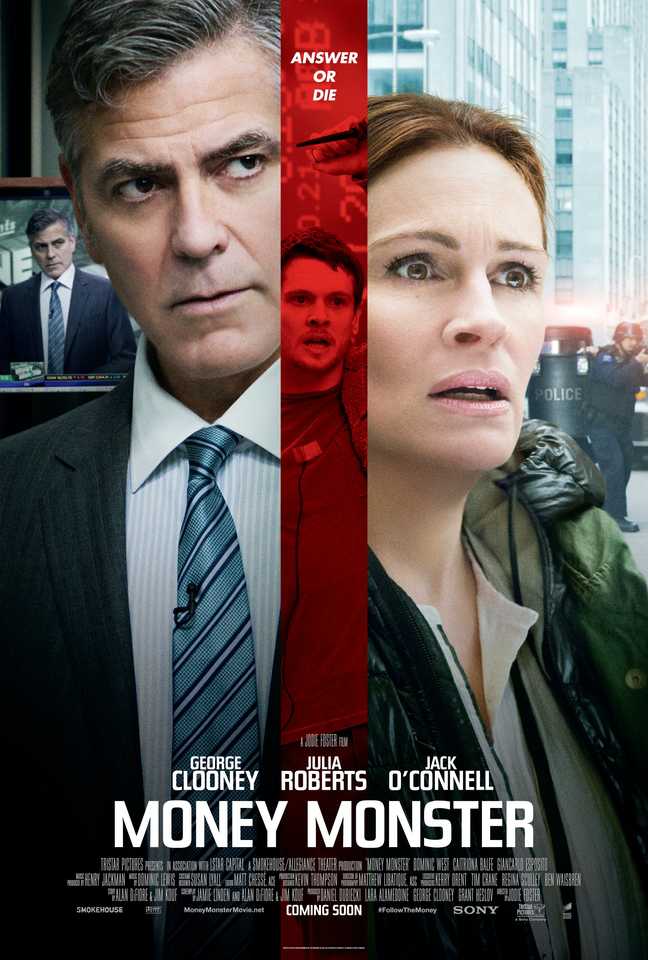
Money Monster

Jodie Foster gives us a film about capitalist greed. Will it be as ferocious as The Wolf of Wall Street or will it fall short of The Big Short.

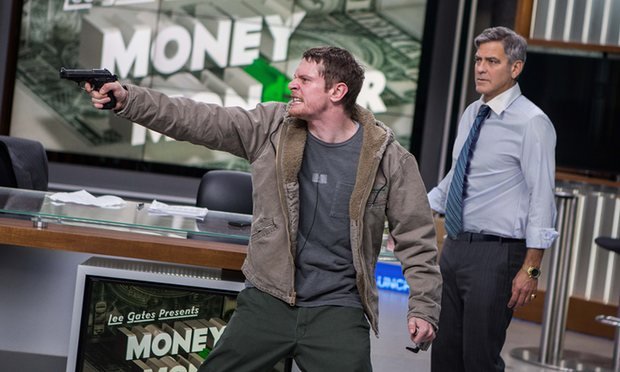
George Clooney plays the host of a TV show which covers the ups and downs of Wall Street in a modern, hip sort of way (think Bloomberg meets TMZ whilst keeping the purpose of information sharing). One day a man enters the studio with a gun and places Clooney in a bomb vest which he says will go off if those responsible for a Wall Street hiccough are not identified and penalised.

This would make reports on the stock exchange a lot more interesting!

From the first few minutes of this film, it was clear the direction of the most important character arc would fly. Clooney’s character, Lee, will go from a jaded profiteer of the arguably broken system of capitalism and go to the side of the angel that has come to spread the news while holding a gun.

What I admire most about this film are the little details that go against the grain of how you’d expect this film to go.

For one, Lee is a bit of a scumbag. He’s not necessarily evil, but he puts the audience in mind of some of the less good parts of the elite. The closest comparison is obvious in that it is the same slight change in character you see when he plays roles written by the Coen brothers, particularly his recent role in Hail Caesar. His traditional Clooney charm is there, but it gives way to very human reactions to being threatened by a maniac with a gun.

Speaking of that maniac, Jack O’Connell is our hostage taker of the day and he does a very good job in the role. It was a rather smart casting decision to get O’Connell in this role since it is only his third major Hollywood role, allowing us to see him as even more of the everyman that his character is.

What’s also quite clever about this character is that he is not a prophet come to save us from the machine. He’s a guy and not the smartest at that. He comes into the studio guns literally blazing and holds up a building of people to spread his message which in the end is extremely vague. Even he doesn’t really know what it is that he wants. All he wants is accountability for those who deserve it. As noble a goal as that is, he does take questionable methods to achieve it. What I like about this movie’s writing is that it acknowledges this fact.

Much of the rest of this film is pretty by the numbers thriller stuff, with some decent humour and dialogue thrown in occasionally. The bad guy is who you think the bad guy is. We’ve heard the underlying message of good journalism and making the powerful accountable.

What’s more is that the end result is a pretty elaborate plot that I’m sure CinemaSins would have a field day on it.

Jodie Foster doesn’t add much style to this film, preferring to allow the action to unfold in the lens of a more typical Hollywood thriller. In a way that is actually entirely appropriate. To spread the bloomin’ obvious message she and the screenwriter’s were trying to convey, she takes the Roland Emmerich approach to spreading themes. By making the film seem as typical as possible, more people might be able to connect with it.

Either that or it’s a pretty standard thriller.

Recommended Scenario: If you enjoyed The Taking of Pelham 123 (2009). In essence it is actually quite similar.

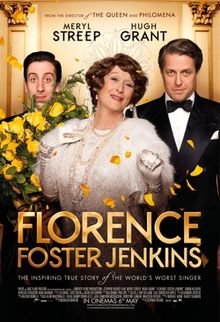
Florence Foster Jenkins

With almost twenty academy award nominations to her name, Meryl Streep is once again in Oscar territory again with a film about a woman struggling with a particular defect in her abilities who also happened to exist and have a posh accent. Oscar breakfast, lunch and dinner.

Florence Foster Jenkins tells the story of a socialite of New York of the same name who had dreams of becoming a singer. With the help of her husband, she was able to become an enormous hit. The only trouble was that she couldn’t sing.

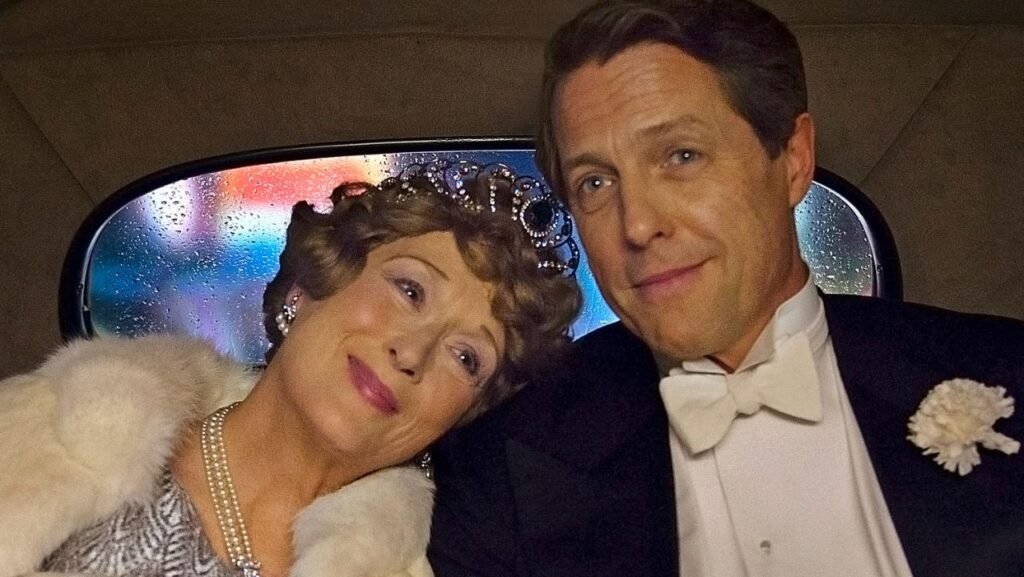
Streep and Grant being super lovely in this film.

When I say that she couldn’t sing, don’t just take my word for it. Foster Jenkins was quite possibly the most famous bad singer of all time. And yet famous she was. For reasons ranging from possible bribery to the fact that people just loved to ridicule her, tickets to see her perform were in enormous demand.

Enough about the truth for now, let’s talk about the art.

The highlight to this film are the performances. Meryl Streep and Hugh Grant steal the show as Florence and her husband St Clair Bayfield.

Streep, of course, is brilliant. As someone who can actually sing well, she can perfectly capture singing badly. And I mean on purpose, not like when she completely destroyed The “Winner Takes it All” in Mamma Mia.

The build up to the first scene in which she sings is utterly perfect. I already knew what was coming as I’d heard about Jenkins before this movie, but the laws of comic reveals dictate to the audience that all the talk of her being a great performer may consist of a lot more hot-air than she might think.

When the scene finally does happen, I was properly snickering. I don’t even do that sort of laugh in movies. I was feeling a little guilty as I almost felt part of the moment, in a room with an old woman giving her all and in a delusion of brilliance, but failing at a catastrophic level.

Hugh Grant as Bayfield gives the best performance I’ve seen from him. He still does his overly polite British stereotype routine, but it is touched with an imperfection that you rarely see in the characters he most often plays.

This film, I’d say should feature in a double-bill with The King’s Speech. Both meld comedic and tear-producing scenes with pretty much flawless energy. Both are pretty much perfect, though obvious Oscar bait and completely unchallenging.

It is definitely a good film. Like I said I did laugh when it was trying to be funny and call me an old sop but I did end up crying on a few occasions. Whether certain private details about the story were indeed wholly accurate is something I cannot prove. History, of course, is something to be put in textbooks while film is where you put drama and this is a really good little drama.

However, there is something that has been niggling at me since I saw this movie, but if I write about it, I’ll risk some spoilers. So in order to go into it I’m going to have a “spoiler-section”.


<BEGINNING OF SPOILER SECTION HIGHLIGHT THE AREA BELOW>

Florence performs at a concert at Carnegie hall, giving away 1000 tickets to the soldiers who have been fighting in the Second World War which is still raging.

Of course when she starts to sing, the soldiers, being already inebriated, begin to jeer before being put in their place in very Hollywood style.

The problem I have, and this is might well be a personal thing, is that the soldiers, the boys that Jenkins is constantly praising throughout the film, are portrayed uncomplicatedly as rowdy monsters.

I’m perfectly fine with them being rowdy, after all these are young men on leave trying to have a good time, but it would have been fitting to have at least one of them, perhaps a wounded Private offer some appreciation to Jenkins. I mean, we’re already in Hollywood cheese country, so why not?

They do have a scene where an Officer thanks her for the tickets, but I just don’t think it was respectful enough to the soldiers.

<END OF SPOILER SECTION>


Despite any small niggles, this is a genuinely good movie and I really think it deserves a viewing.

There was a fascinating video released by John Green on the vlogbrothers YouTube channel discussing FFJ. In it he discussed what it means when someone is famous for being terrible at what they are passionate about. He concluded that in a bizarre way Jenkins is an inspirational figure to all of us summarising the whole thing through the now famous quote from the amateur opera star:

“They may say that I couldn’t sing, but nobody can say that I didn’t sing.”

Recommended Scenario: When you want an Oscar bait film, that is good, outside of Oscar season.

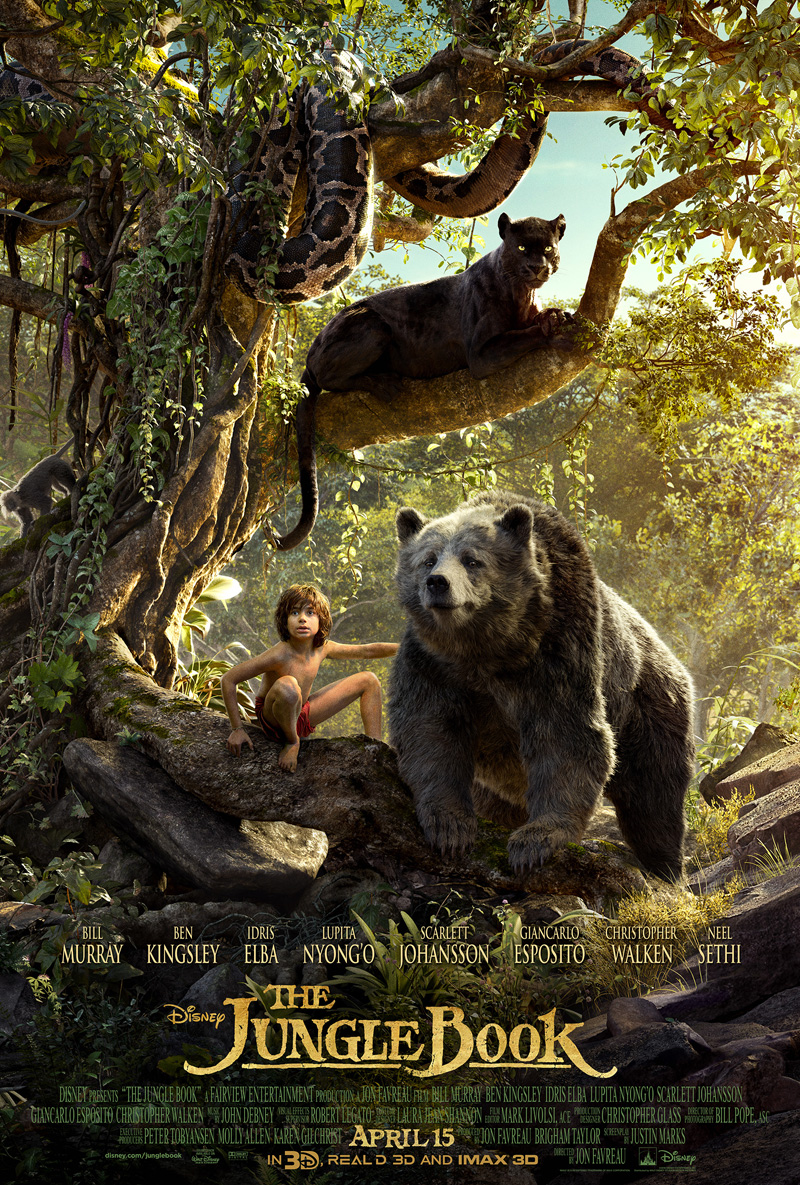
The Jungle Book (2016, 3D)

After my glowing review of Civil War, Disney appears to be able to do no wrong. Well let’s see if that’s true with their latest live-action remake.

The Jungle Book, is a remake of the classic Disney film (the last Walt actually had a hand in) which was in turn an adaptation of the works of Rudyard Kipling. It is the tale of a human boy called Mowgli who lives in the jungle.

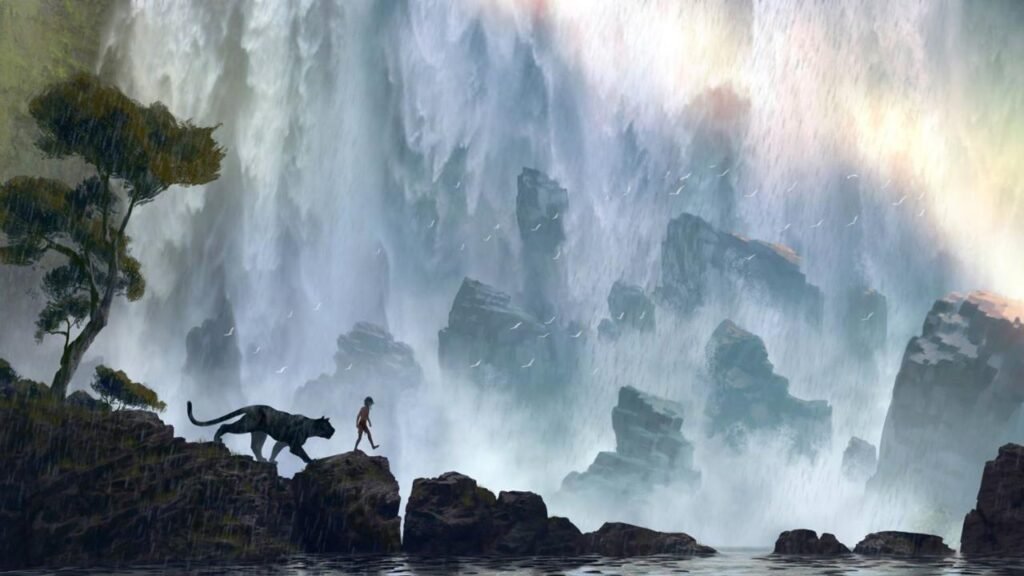
This is a beautiful piece of concept art. But I’m pretty sure that in reality, that boy would be lunch.

 Let’s get this straight, this is a remake of the Disney movie. One cannot pull the old True Grit re-adaptation of original source material argument. Practically every element of this film is taken from the cartoon, with alterations, of course.

A major alteration from the original is its overall theme. The original was pretty much set in the idea from beginning to end that Mowgli’s place was with his own kind in the “man-village”.

Since the sixties, cultural forces have made us consider the possibility, at least in the fantastical world Kipling created, that even with all the obvious dangers, more prevalent and scary in this version, of the jungle, in a way, Darwin’s harsh laws apply even more in the communities of man.

This logic may or may not hold up to us, but at least in this movie, which is told through the eyes of an animal, it holds up surprisingly well.

Speaking of how this story is told, Bagheera, the panther who watches over Mowgli, is, like he was in the other film, the narrator. I do understand where the filmmakers were coming from with the decision to include narration, particularly since it comes from Sir Ben Kingsley and this is the Jungle Book, but I feel it could have been cut in favour of visual exposition.

What has been cut is the idea of this being a musical. Don’t worry, those two insufferably brilliant songs which make you remember the original still remain. The other ones, with the exception of “Trust in Me” (sung by Scarlett Johansson, the new voice of Ka) which is added as a second end-credits song, are completely gone.

This was both a good and a bad decision. Good because hardly anyone actually remembers any of those cut songs and this movie becomes more streamlined without them. For one thing, the Elephants which formed a poor Dad’s Army routine in the other movie are dignified and grand in this one thanks to the fact that they shut their blooming mouths!

On the other hand, when the two songs do show their faces we are reminded with a veritable Klaxon that this is indeed a remake. I was able to tolerate Baloo’s “Bear Necessities” because:

1) It’s a great song.

2) It was able to blend relatively well into the situation in which it was placed.

3) Bill Murray kills it as singer and actor.

However, when Christopher Walken, who is perfectly cast as an enormous and scary, Col. Kurtz like version of King Louie, starts singing (pretty well) part way through a dramatic sentence, it is distracting beyond belief. What’s worse is that he is sitting down while singing the small portion he does sing, making it just really, really awkward.

Moan, moan, moan. What did I like about this film? Actually a few things popped out and not just the excellent 3D.

Firstly, the casting is sublime. From the trailer, when I first heard the animals’ voices, I knew that each of those characters were MADE for their celebrity performers.

Mowgli is played by newcomer Neel Sethi and this kid is going places. He brings this character, who was dumb to an astonishing degree in the original movie to a strong, smart and yet not unrelatable re-interpretation.

Shere Khan, the baddie tiger, is played amicably by Idris Elba. While the original portrayal was on par with Disney’s history of often effeminate and possibly homophobic villains, Elba plays this character with some menace. Khan’s motivation is explained a little too much, I feel, and it’s a bit too specific, but I’ll let that slide. The effect is the same. He hates man. Mowgli is man. He wants Mowgli dead.

The main thing though, the thing that almost makes be able to forgive everything else in this movie, is the way it looks. Every animal is photo-realistic and totally convincing as a character. The jungle looks awesome, particularly in 3D. Mowgli is able to sit in a tree next to a fake Bagheera and a fake Baloo and the uncanny valley is traversed with ease.

Now, one can say that if you’re looking for realism, the cartoon has you covered as the immersion into animation he medium provides let’s all elements be equally and 100% real to the audience.

While I do subscribe to that belief, all I can say is that I walked away from the 2016 Disney version of The Jungle Book with a couple of tunes in my head, a couple of things annoying me (which I have mentioned) and a relatively satisfied feeling of having just been on a Disney ride.

Overall, a good job. Now I’m just going to have to wait till 2018 for Andy Serkis’ version of this movie!

Recommended Scenario: If you want an immersive jungle adventure and Uncharted 4 is too expensive.

Captain America: Civil War

Once again I am the victim of harsh, continuity based, circumstances. Since my Avengers: Age of Ultron review last year, I have not made much of an attempt to watch more of the Marvel Cinematic Universe. I can make the excuse that this makes me unique amongst those who review this film, but either way, thanks to the internet throwing information in my face, I wasn’t lost really. On with the review.

Captain America: Civil War is a continuation of and possible conclusion to the Captain America saga. Cap and Iron Man have a disagreement over a government action to restrict superheroes in their activities, due to extensive and obvious collateral damage.

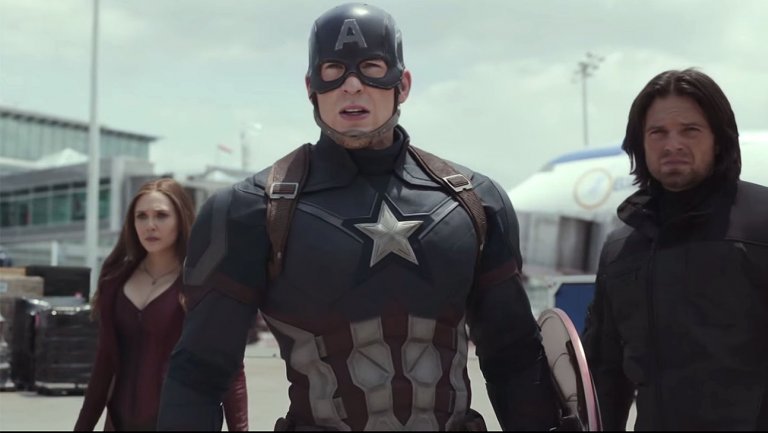
Is this costume ridiculous? Yes. Do I care? No.

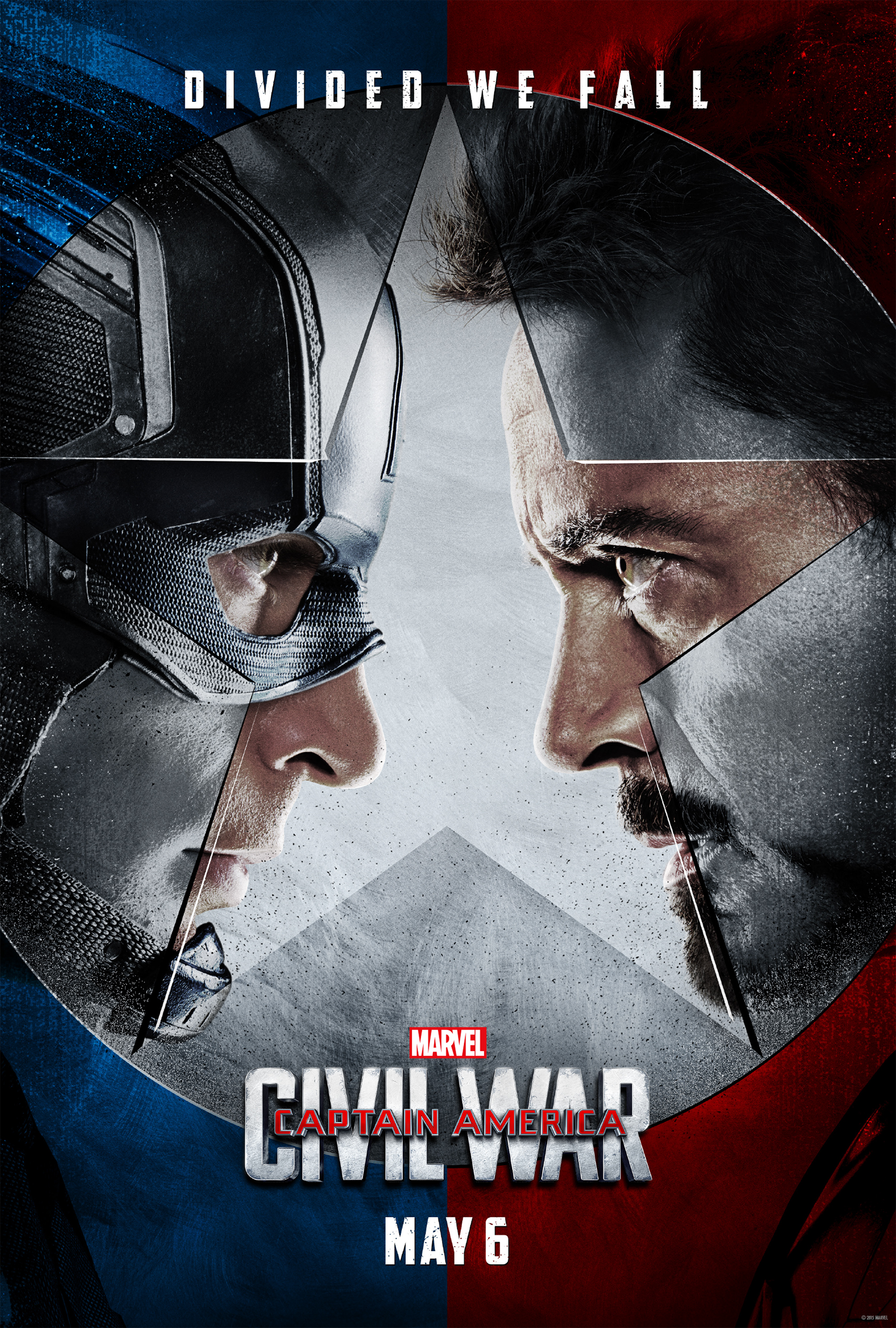
If that sounds like a familiar plot summation, then it should. It is obvious even from the poster that this film is in direct competition with Batman v Superman: Dawn of Justice, in the niche two-superheroes-differ-over-their-opinions-as-to-their-responsibilities-to-reduce-the-levels-of-mayhem-they-cause-while-superheroing genre.

I recently re-watched BvS out of curiosity to see whether a second viewing might change my perspective on that film. Upon much reflection, my level of tolerance for that film has dropped significantly. The elements are there for a great movie, the execution unfortunately was unfocused, rushed and cynical to a quite literally comic degree. Upon a second inspection, those parts become far more apparent. Cool in a purely superficial manner.

So it’s down to this film to recover the superhero genre back to the way I thought of it a few weeks ago when I reviewed Deadpool. Thankfully it does so, and some.

Robert Downey Jr returns as Iron Man and Chris Evans returns as Captain America. They along with the rest of this literally marvellous cast are perfectly suited to their roles and appear to have a deep understanding of what makes their characters tick.

Unlike in that other hero-fight film I mentioned, what’s awesome about this film is that we understand both sides of the argument entirely. Whether you end up becoming #TeamCap or #TeamIronMan you will at least be able to see whether the other guy is coming from.

On either side of this fight are superheroes with understandable goals and reasons to pick their sides. On top of that, they are all incredibly likable and often utterly hilarious. And yet, and this is the bit that really makes my jaw drop, the film is perfectly balanced in terms of screen-time and weight. (But seriously, when is the Black Widow movie coming out?!)

(By the way, those keeping up with the marketing will note a particular face among these guys who makes his “surprise” entrance in this movie into the MCU. Rest assured this version of the guy is fantastic. I’m withholding full judgement until they stand in their own movie again, but this little guy is going places. Funny, charming and kickass, this guy has the potential to the best there’s ever been in this role!)

What is really interesting in this film is that for all the fighting between the good guys, there is barely a moment in which they fight a bad-guy. Not only does this extend their opportunities for creative demonstrations of kicking ass and clever quips (which they do and it really is awesome), but it adds to the drama of the situation. Drama is based on conflict and conflict between friends is conflict between you, your friend and yourself. That’s 50% more conflict before you get onto actually making the conflicts make sense (which is more than I can say for some movies <cough cough>).

Like I said at the start of this review, I was never lost while watching this film. I knew who each of the characters were and their motivations. I didn’t know the entirety of their backstories, understandably, but I’m pretty sure that for the most part, people will be able to watch this film standing alone. Though of course, for the full experience enjoyed by the more learned amongst the midnight screening I watched this with, I would highly suggest watching the previous films in the MCU.

This is the most perfect superhero film I have seen since The Dark Knight. The Marvel Cinematic and Televisual Universe, according to a recent calculation I found online, is around 127 hours. While that would be an enormous undertaking and not every part of that is considered “essential” by the fans, this movie seriously makes me consider taking a stab at it. Certainly better than some other things I can stab associated with 127 Hours. (Little movie reference to end on.)

Recommended Scenario: If you’ve seen Captain America 1 & 2, Avengers 1 & 2, Ant-Man. But if you’re and ignoramus like me and your friends invite you to see it, don’t turn them down.